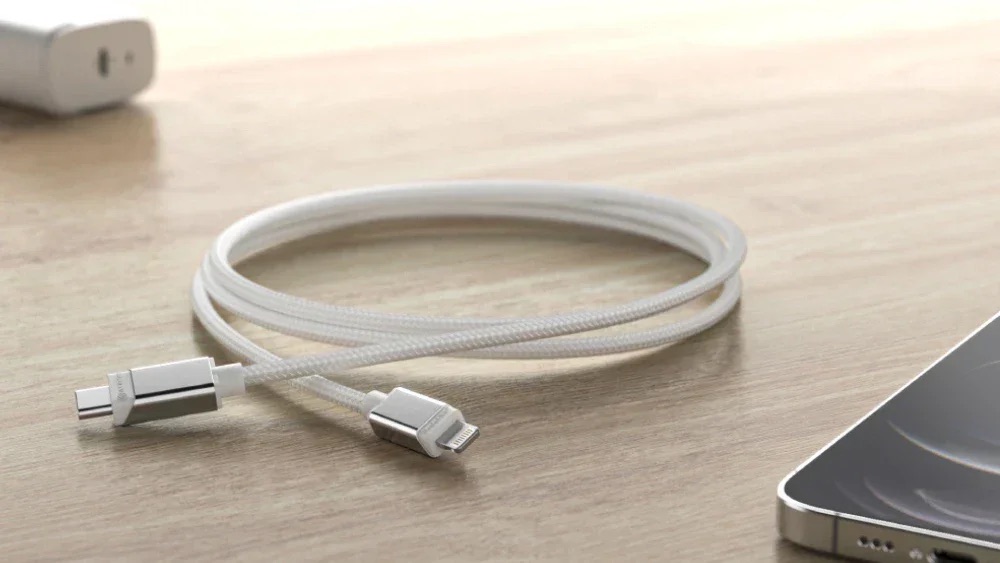
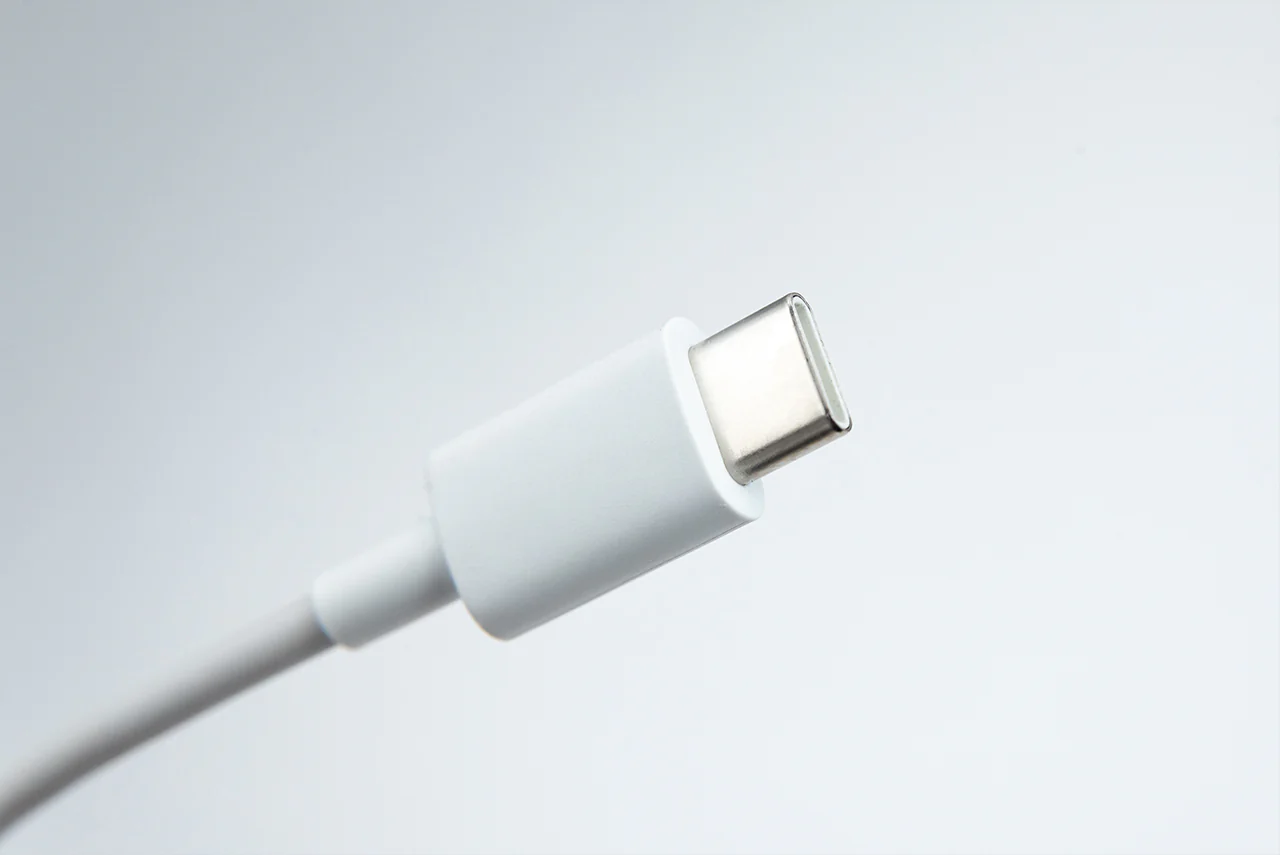
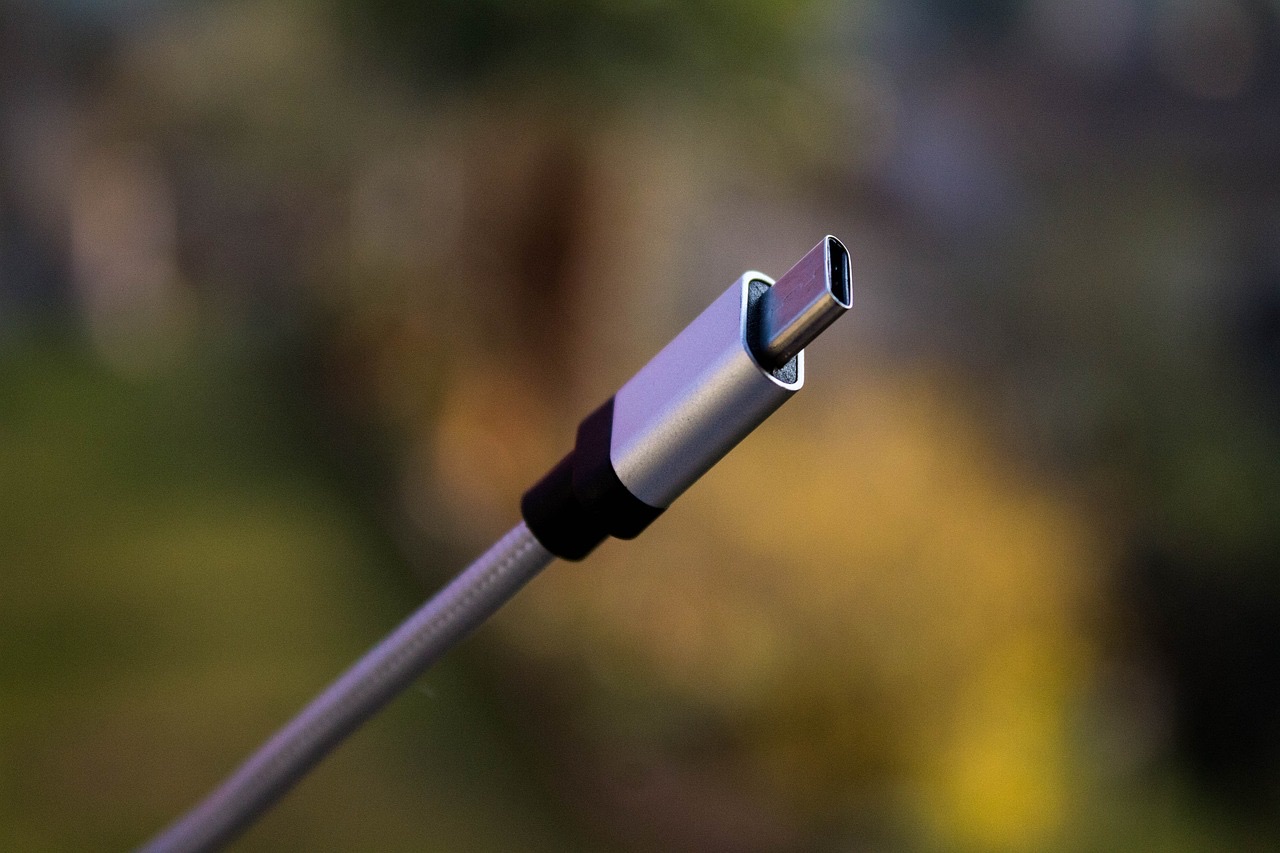
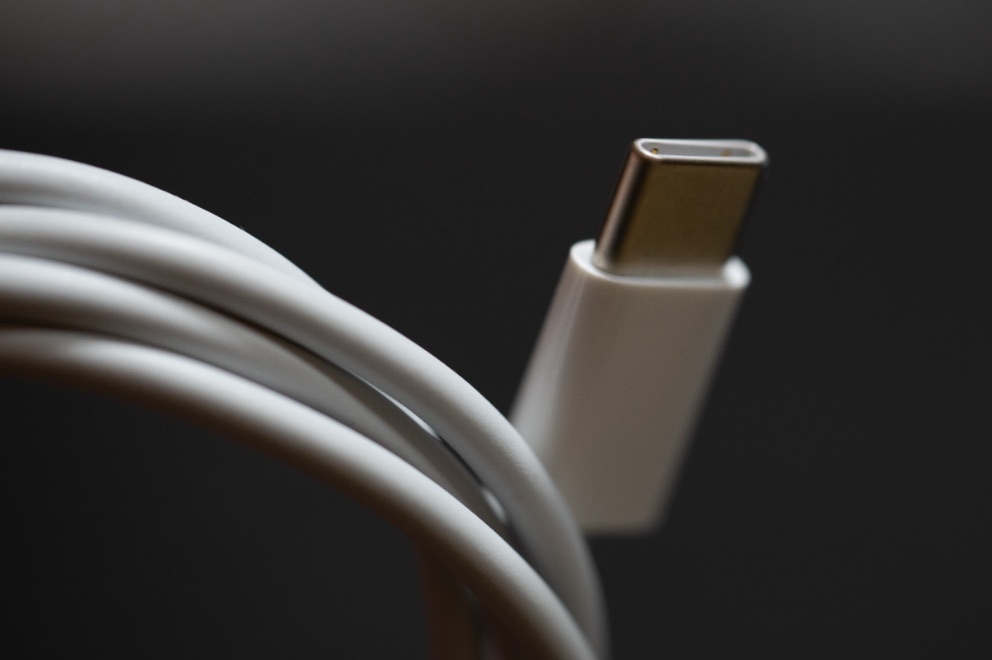
USB C was developed to replace many legacy device charging and data transfer protocols. It has quickly become one of the most ubiquitous connectors for smartphones, laptops, tablets, peripherals, and other accessories. By 2025, it had achieved a reputation for convenience in addition to high performance as a connector standard that has simplified powering and connecting devices by people.
As devices get smaller, it becomes more important for them to be able to charge quickly, for data to transfer faster, and for there to be fewer cables on hand. USB C is seen as the standard needed in modern devices compatible with a range of manufacturers and device types.

Faster Charging and Power Delivery
One of the biggest advantages of USB C is its ability to transfer a lot of power, so devices can be charged much faster than other USB connectors, and laptops, tablets and even monitors can be powered with the same USB C cable that smartphones use.
This eliminates the need for multiple cables and bulky power adapters, allowing users to charge their devices with only a single cable throughout the day, providing a more streamlined workspace and travel experience.
High Speed Data and Video Support
USB C is the most recent version of USB and provides higher data transfer speeds to support a number of modern use cases. The most common use cases for USB C are external displays, docking stations and external storage devices.
USB C is being adopted in the professional work setting, allowing users to charge their laptop, transfer data, and connect their laptop with the display, with just a single socket, thereby increasing productivity by reducing the need for multiple cables.
A Universal and Reversible Design
USB C reverses, so one can insert a plug with either orientation, which is a minor feature with a noticeable difference to ease of use in low-light or cramped conditions.
Its use becomes common across devices. Manufacturers continue to release USB C devices. Consumers will benefit from greater compatibility. Consumers will benefit from less proprietary cabling. This change seems to move in the direction of reducing electronic waste and designing more sustainable devices.
Final Thoughts
USB C has become by now the new standard for fast charging and data transfer. Its universal connector, fast speed, and everyday practical use fit the needs of most modern electronic devices. In 2025, USB C is the standard for connecting devices across the technology ecosystem.