
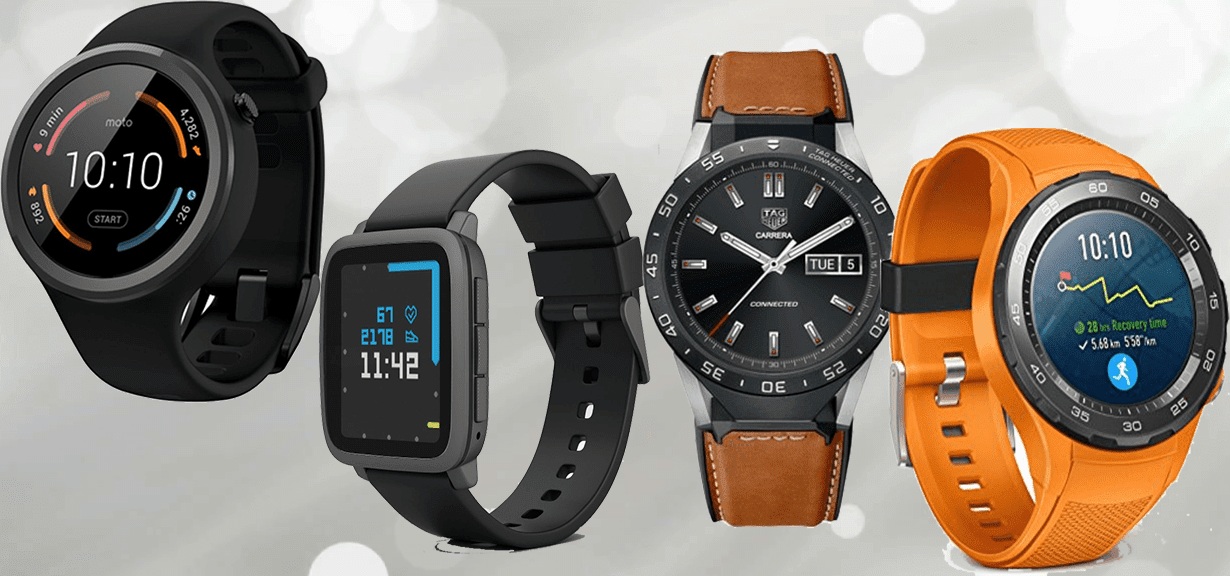
Wearables of 2025 focus on personalized healthcare and perceptions. Smart watches, smart health tracking devices, fitness trackers, smart eyeglasses and specially designed health devices help you to digitally connect and improve life every day in many ways.
The best wearables this year aren't simply pedometers that serve up notifications, but rather they're focused on AI-based health analysis, smarter sensors, and deeper ties to the surrounding ecosystem - and all while becoming less of a nuisance to wear.
Smarter Health Monitoring
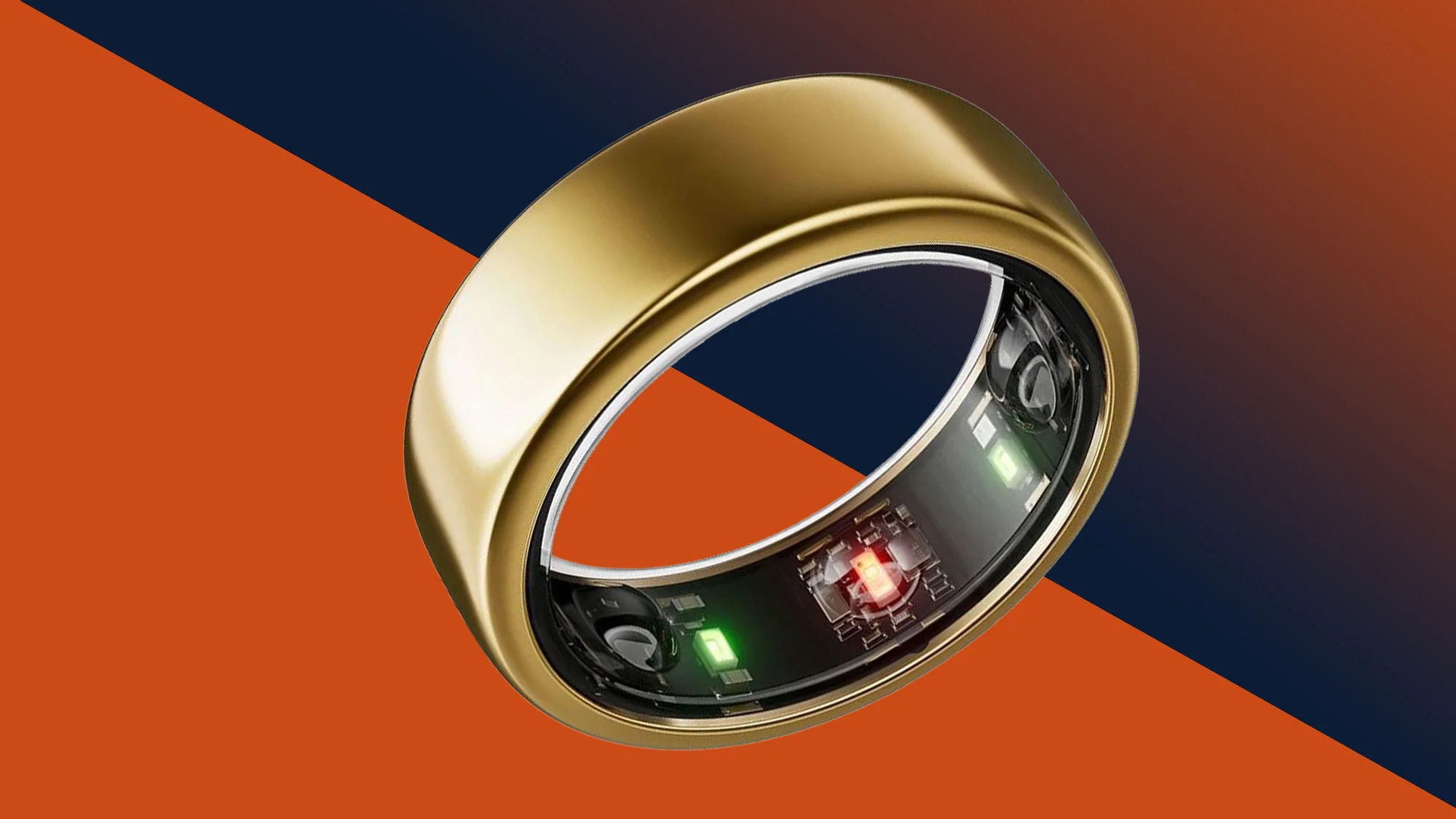
From 2025, most wearables do more than record heart rate or sleep: they can measure hydration, blood pressure, and even stress through skin temperature and galvanic response. This improves accuracy and continuity of health monitoring, compared to measurements taken at intervals.
Devices like the Apple Watch Series 10 and Samsung Galaxy Watch 7 use machine learning to analyze trends over time and report on them, offering users perceptions and recommendations rather than raw data, and shifting the focus to earlier detection of arrhythmias and fatigue patterns.
For users, this means the difference between tracking and predicting wellness, and the ability to have a device that can actually help people before problems arise.
Integration with AI and Smart Ecosystems
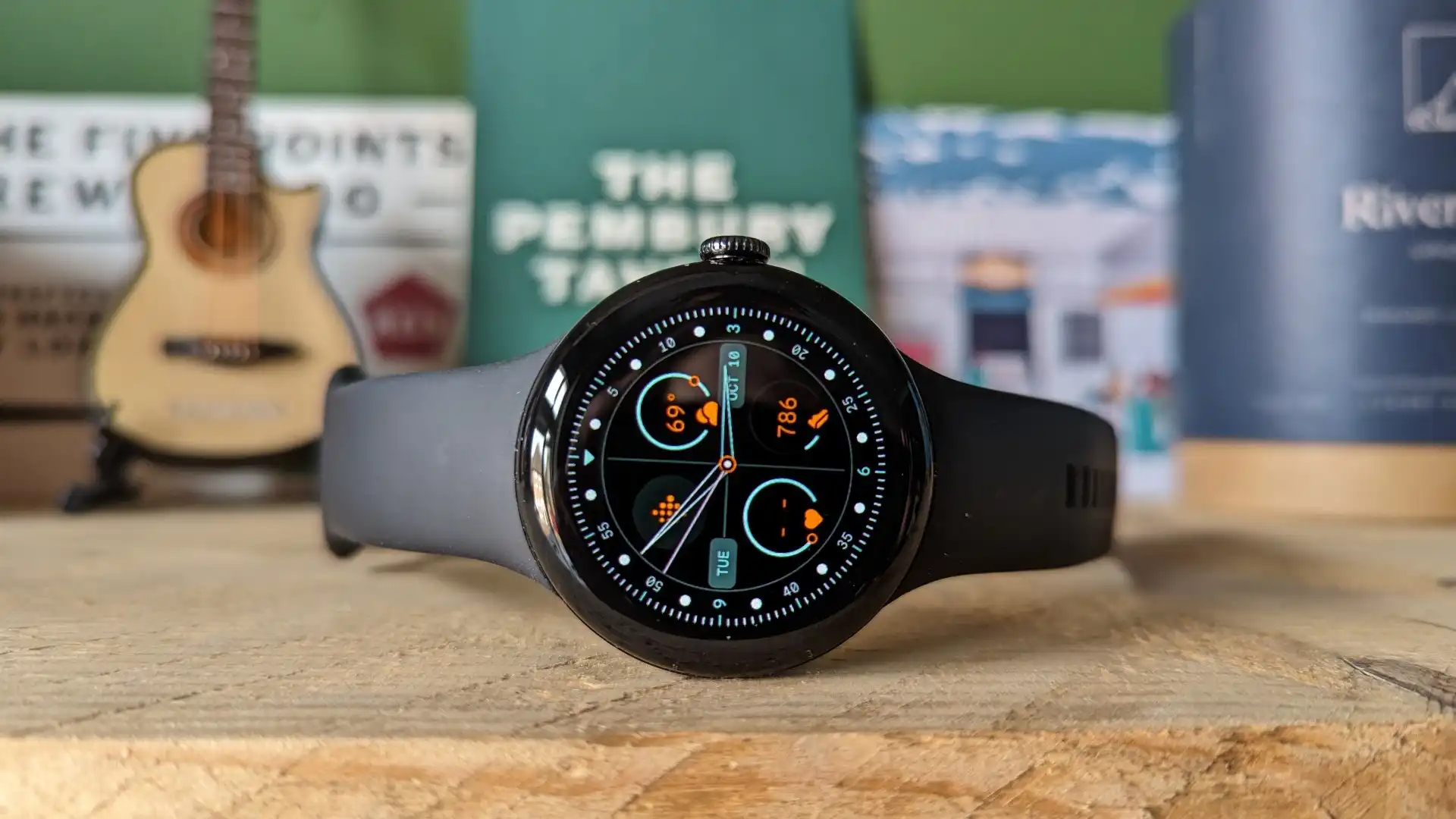
By 2025, artificial intelligence will create the next generation of smartwatches from other wearable technology. The AI will interpret users and suggest how to prioritize notifications. It will also suggest when to rest and how much to exercise instead of simply taking commands.
Wearables today sync cross-device: your smartwatch might export your sleep patterns to your phone's health app, sync with smart home lights based on your circadian rhythm, and integrate with your AR glasses for productivity. This integration is driving a new era of "invisible convenience".
With these developments, however, wearables are becoming personal assistants that can be integrated into all aspects.
The Rise of Smart Glasses and XR Devices
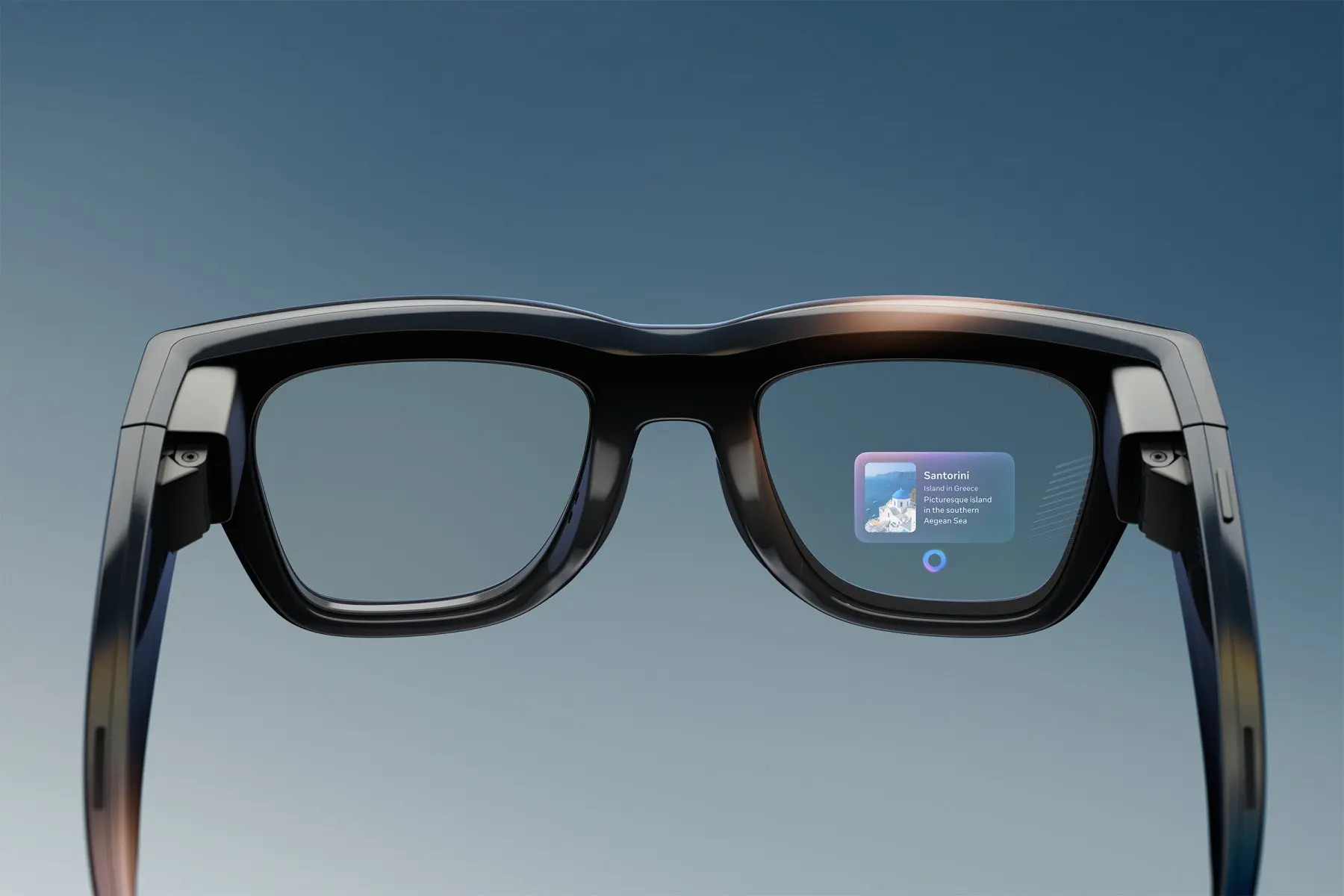
In 2025, smart glasses are as lightweight and functional as regular spectacles, and include heads up displays for navigation and translation as well as health- and activity-monitoring elements.
The Meta Ray-Ban Smart Glasses (Gen 2) and Xiaomi Mijia AR Glasses 2 show the intersection of smart glasses and wearable displays, allowing the user to create pictures, make phone calls or view overlays directly onto the eyewear rather than a phone screen.
Combined with improved comfort and battery life, these glasses are positioning themselves as the next big step in wearable computing.
Sustainable and Fashion-Forward Design
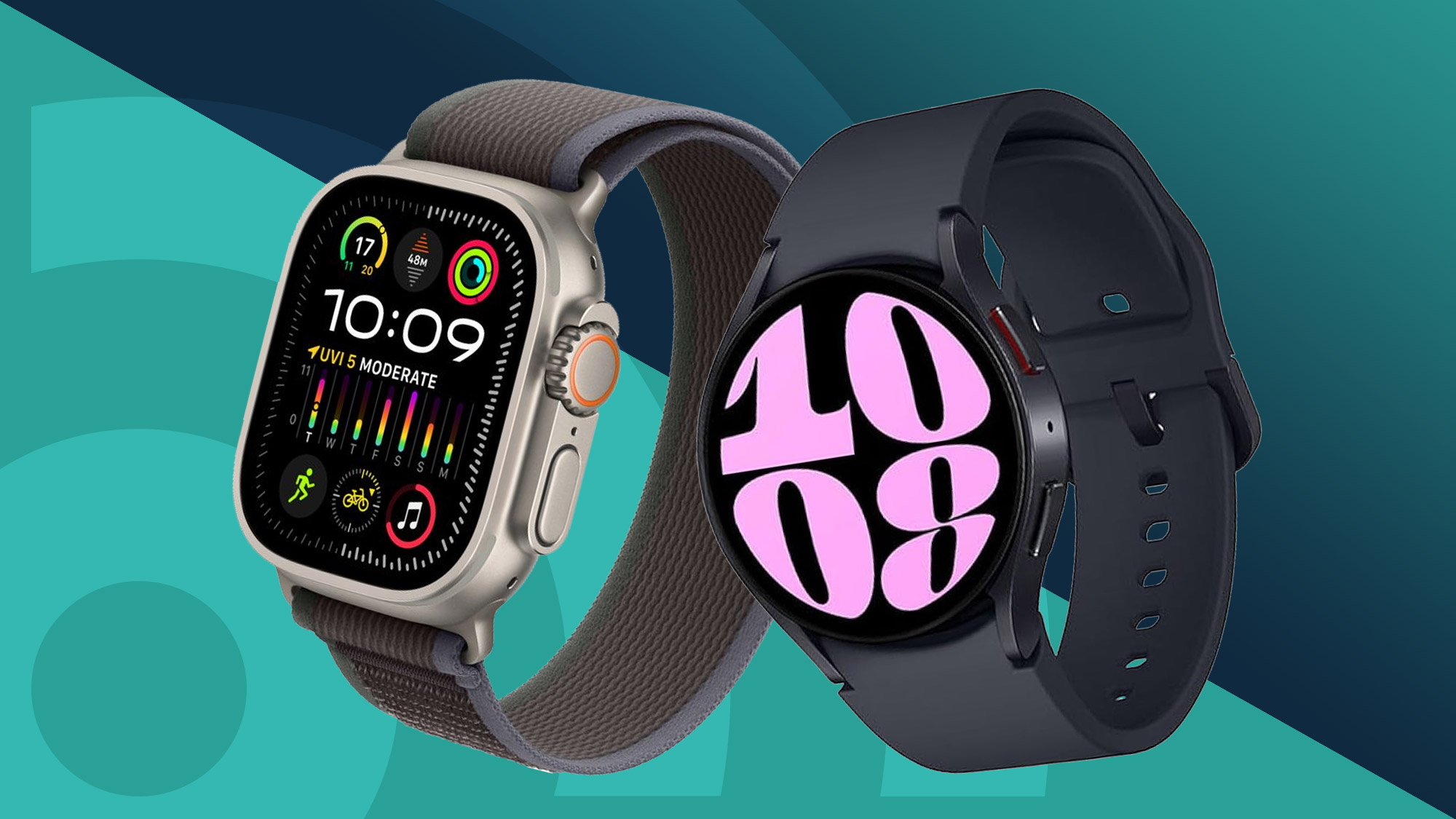
A growing trend in 2025 is sustainability. Manufacturers are using recycled materials, bio-based straps, and modular designs that allow easy repair and reuse. Smartwatches from brands like Garmin and Withings now highlight carbon-neutral production.
Fashion integration is also key to adoption, through partnerships between tech companies and fashion brands, the devices no longer look purely functional. Increasingly they are being used as accessories to reflect personal fashion as well as provide functionality.
With that combination of form and function becoming more and more a part of everyday wardrobes.
Final Thoughts
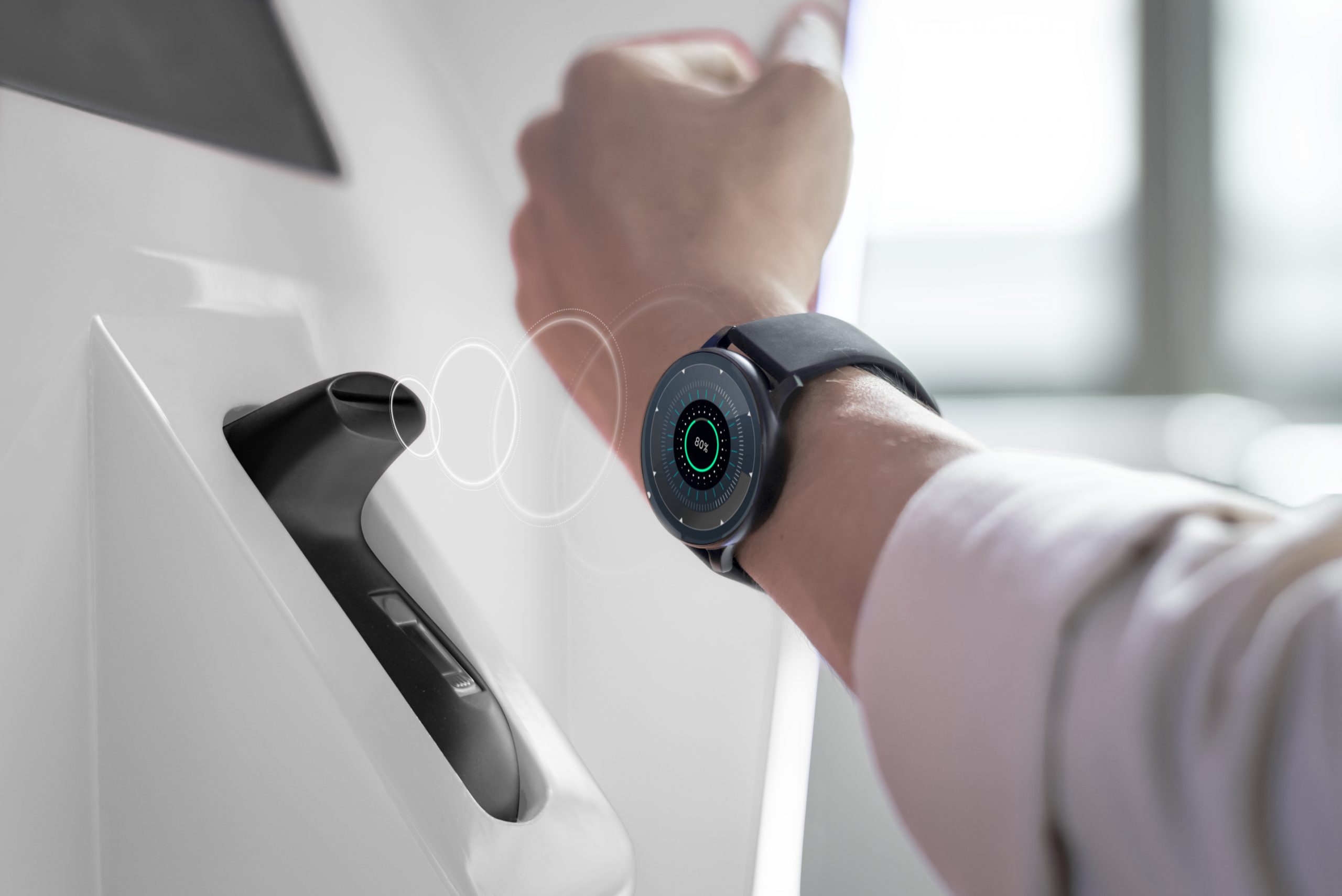
Wearable technology in 2025 will be highly smart and personal, smoothly integrated into people's lives to the extent that it is almost invisible. Health tracking will be predictive and managed by AI. Sustainability matters. This includes smartwatches and AR glasses. They are more than simple tools to use. These tools improve how we live, move, and connect with one another and with the world around us.