
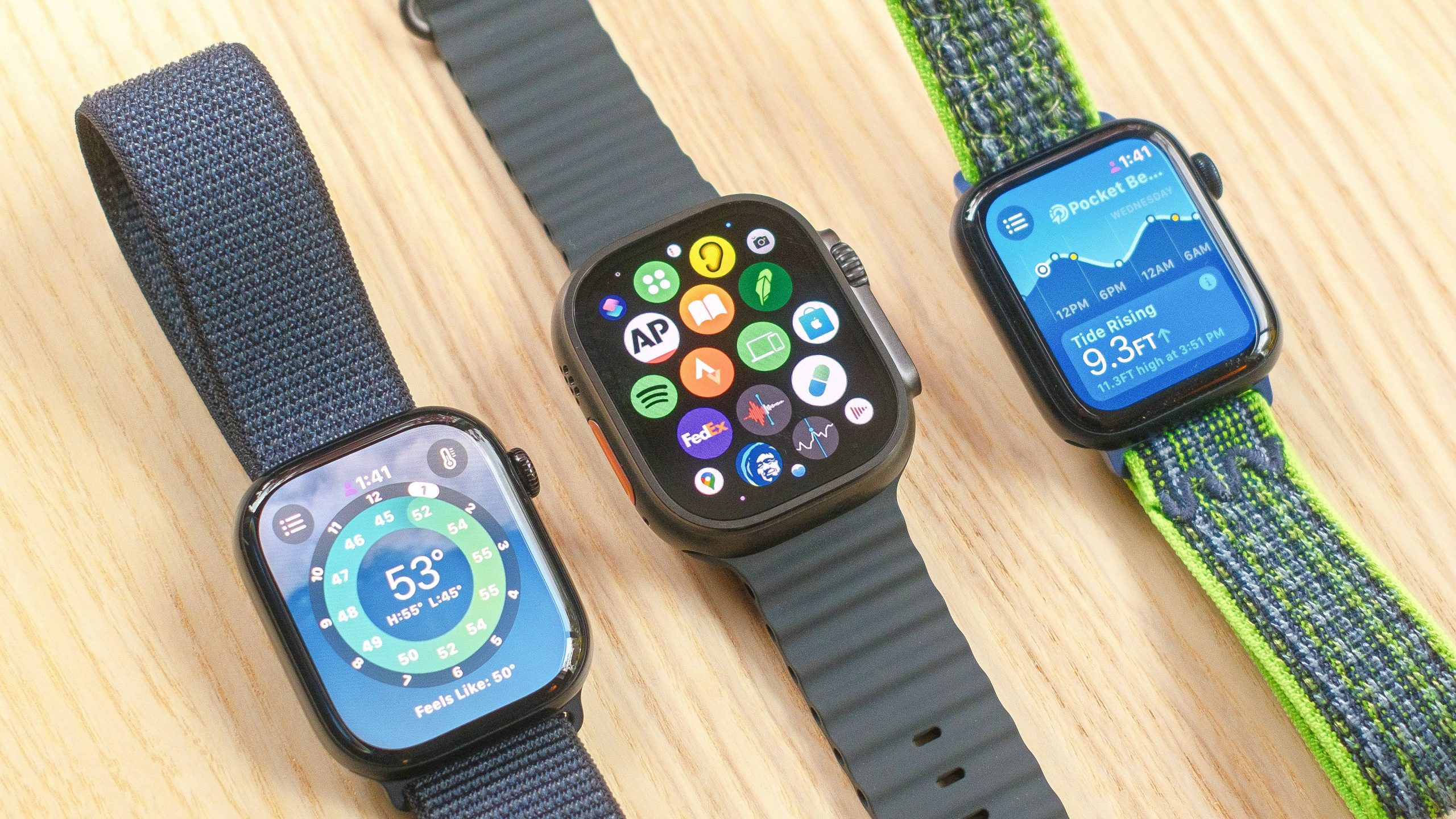
The Apple Watch has become more than a smartwatch it offers connectivity health and productivity for daily use. Apple fine-tunes its hardware as well as software with each generation in order to deliver a smoother wearable experience. Often, the company adds features improving your interactions subtly yet meaningfully with the device daily.
Buyers are faced with a rather tough decision as prices do climb and the product line also expands. Is sticking to an older model that still does most of the job for less better than investing in the latest Apple Watch? The answer is not always all that straightforward. Your watch use also affects the answer.
Whether you upgrade from a previous generation or dive in for the first time, here is a comparison of the latest Apple Watch with its predecessors, and this comparison might show a better fit for you.
Performance and Responsiveness
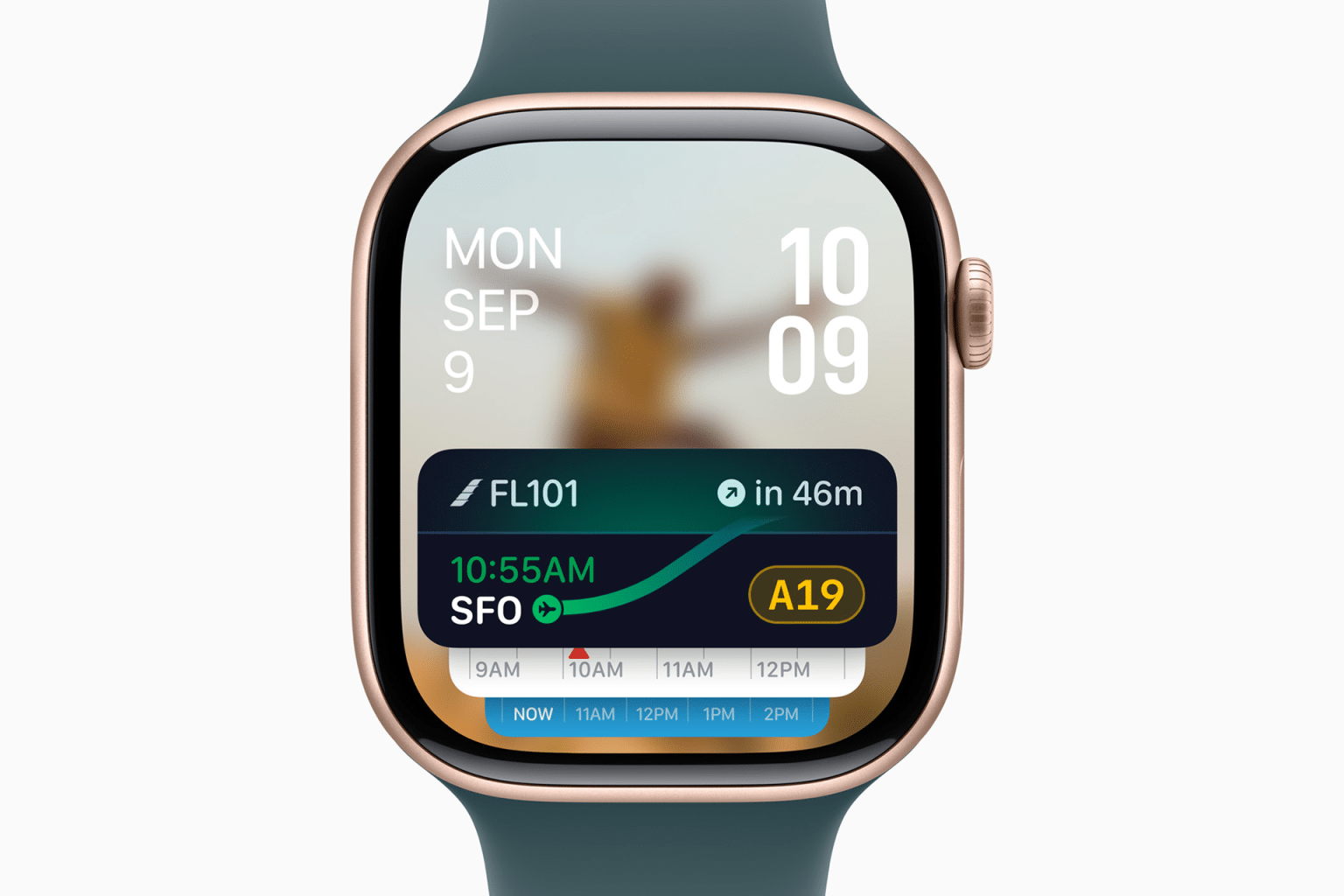
The Apple Watch Series 10 introduces a new S10 chip bringing responsiveness and speed gains noticeably again. Apps launch quickly plus animations flow smoothly since navigation seems tighter and more immediate. Siri voice commands even respond faster so daily use feels effortless.
The performance leap is something particularly noticeable for when users do multitask, especially for those users who upgrade it from the Series 6 or SE. It feels snappier also more refined when you jump from workout tracking to messages or launch Apple Pay mid-run, also there are fewer pauses or stutters in between.
Older models can handle the basics still. However, watchOS updates have started to stretch out toward their limits. As time goes on, lag becomes much more frequent, especially in the event that newer apps are running or background syncing is being performed. The Series 10's processing power makes a strong case about itself to anyone using their watch for more than notifications. The Series 10 is useful for all of those people who want more from a watch of theirs.
Battery Life and Charging
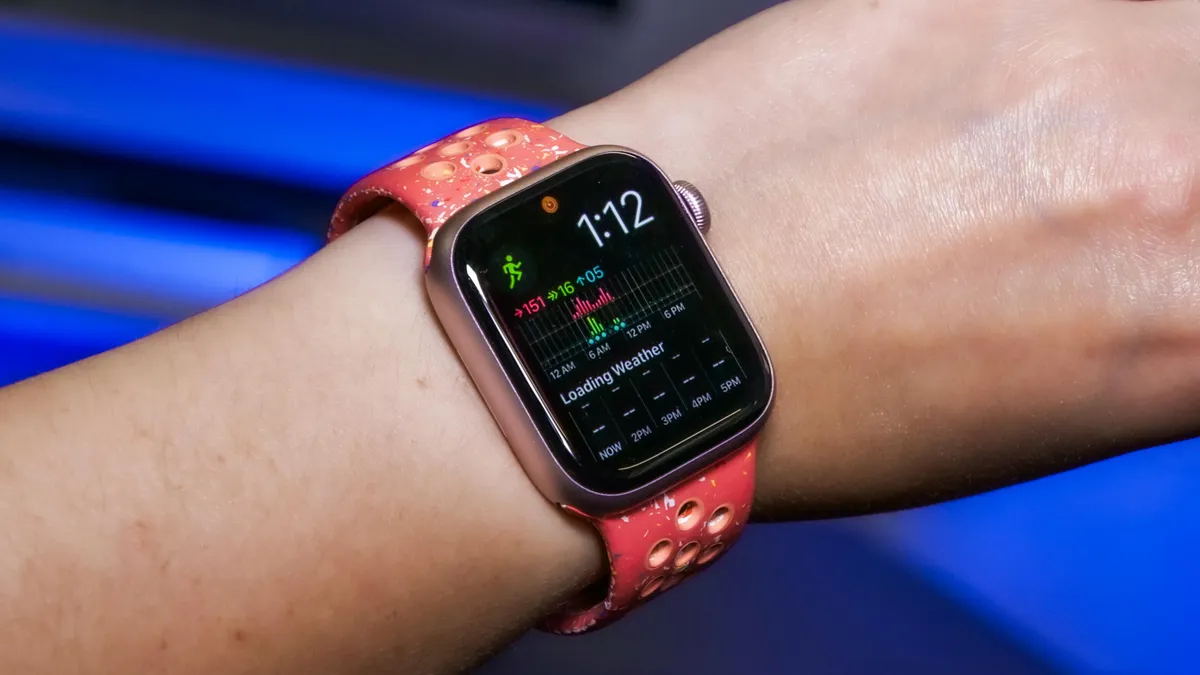
Apple continues to promise all-day battery life across its watch lineup while mostly delivers upon that promise. But a more efficient chip uses that battery well in the Series 10. Better power management adapts also to daily usage patterns for improvement.
Of course, charging now is also faster. The Series 10, with its fast-charge support, is able to reach 80 percent in just under 45 minutes, which is a great thing for sleep tracking users that are needing short charging windows between their routines.
Older yet relatively new models still function adequately even with battery degradation over time. For GPS workouts and also extended app usage, many users find themselves to be tethered to the charger. This is especially true around late afternoon. For those who are expecting reliability around the clock, peace of mind comes from the power management of the newer model.
Health Tracking Features
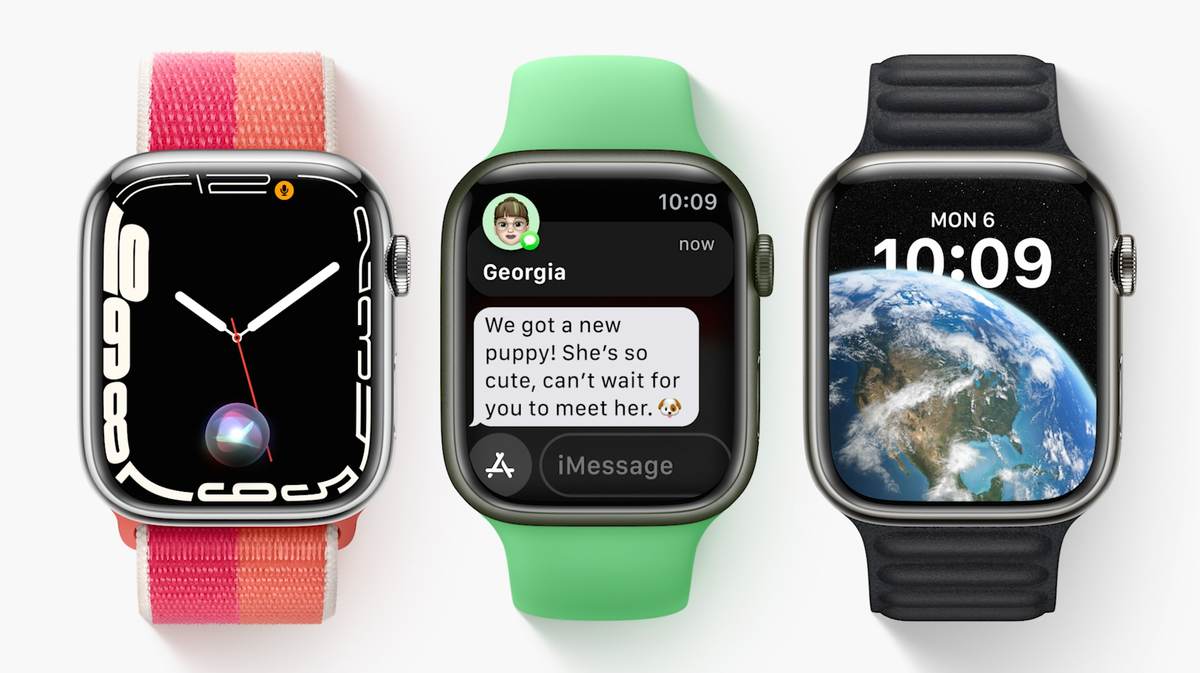
Apple’s health and wellness tools have changed steadily from counters to monitors that are thorough and personal. Series 10 expands that concept using better sensors measuring skin temperature, blood oxygen, and heart rate, so readings stay consistent during rest plus activity.
Cycle tracking now integrates temperature fluctuations more precisely. Overnight, sleep monitoring delivers richer data, and also battery drain is less. These enhancements can provide perceptions with more actionable results for users optimizing fitness routines or managing conditions.
For many users, core health features like ECG, fall detection, and workout tracking are still supported on older models, plus that’s enough. But the Series 10’s quite advanced sensors are hard for users to overlook if they are serious about diving deeper into the data about their health. You may have a need for the more advanced sensors for the tracking of long-term patterns or for the closing of rings.
Design and Display
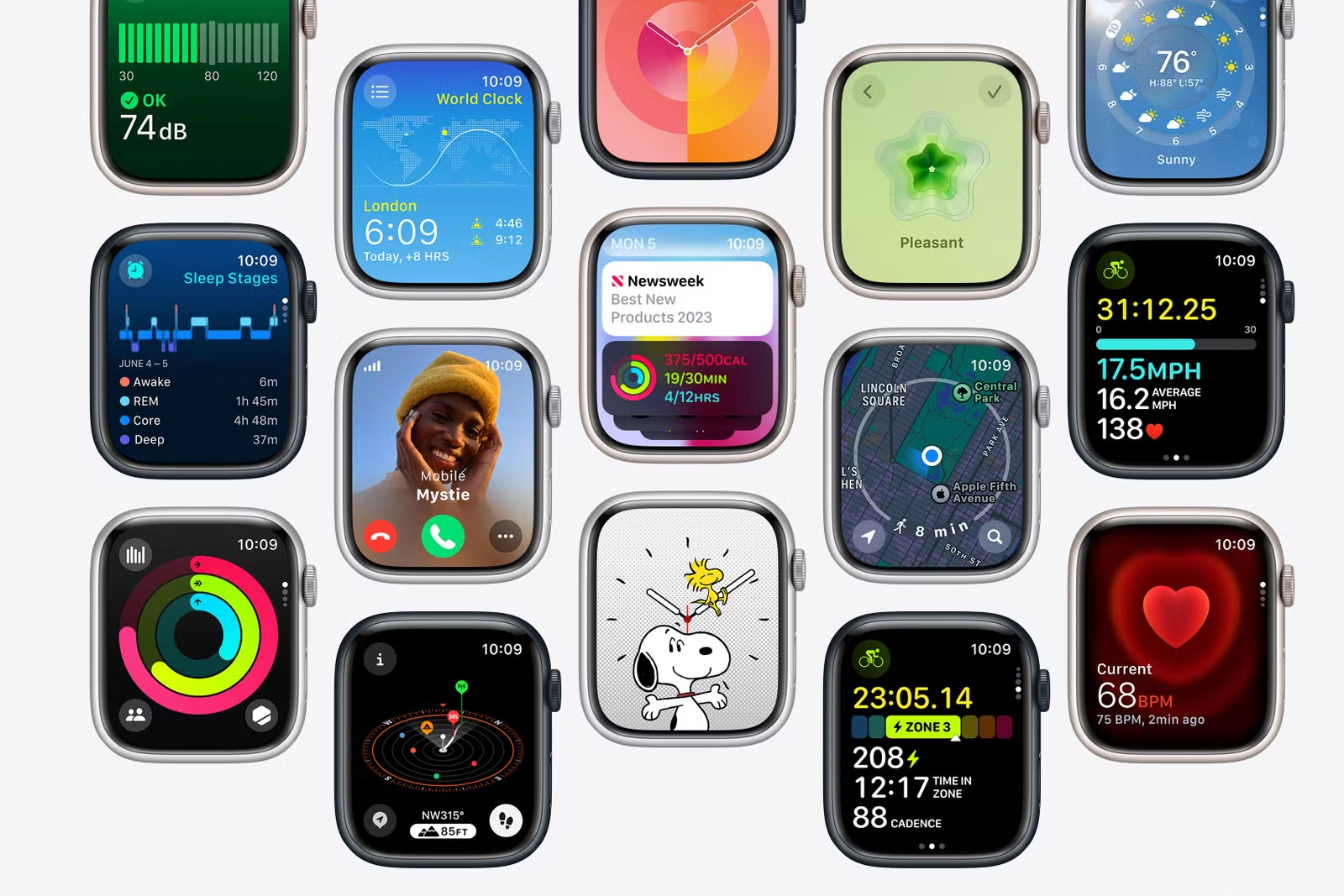
While Apple Watches have always shared such a consistent design language, the look and feel get some meaningful refinements within the Series 10. The bezel has been shaved down just a bit, and this does create more screen space without any increase in total size. It combines with a brighter always-on display so it appears more visible indoors along with under sunlight.
It is not just about the looks. It also has become something that is more durable. Featuring tougher glass and improved resistance against scratches and minor drops, the Series 10 is a better choice for active users or those who go without a case.
Older models still maintain Apple's signature aesthetic on. That being said, this is indeed so. Though subtle initially, the Series 10 appears more updated together, its display joining the borders and its shell fitting better for constant wear.
Final Thoughts
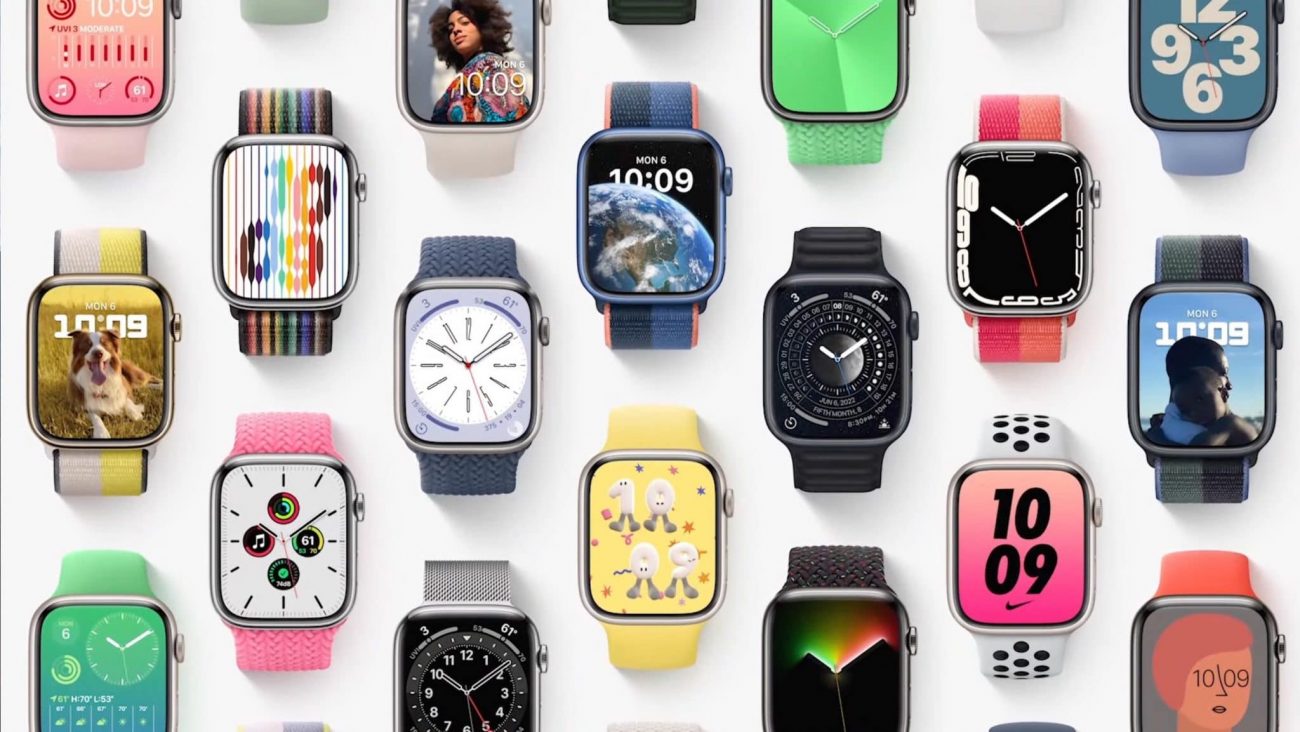
Deciding between the latest Apple Watch with an older model depends on what your habits, priorities, also expectations are. Series 10 delivers a faster type of performance with some more advanced kinds of health features. It also features lasting software support in a smoother design.
Those older models remain a great pick though. The Series 7 or SE 2 still has incredible value especially at today’s prices for those users that want a stylish and capable smartwatch because it tracks steps, gets notifications, and logs workouts.
Ultimately, either of the options means that the Apple Watch experience arrives on your wrist. Is the very best version wanted by you? Or do you just want to do well the essentials?