
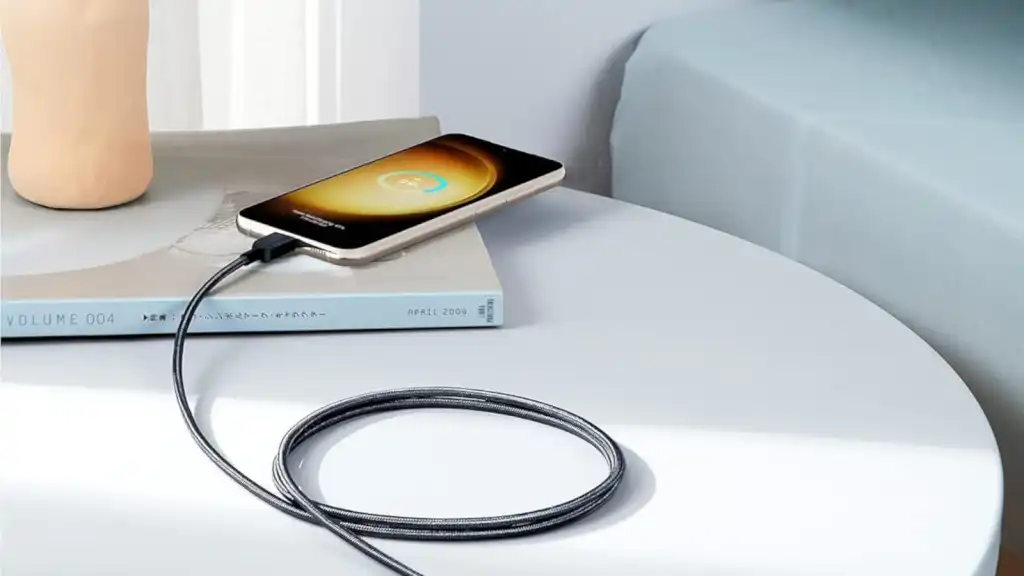
Fast charging has become more of a standard feature in portable devices, and also in laptops, and in smartphones. Manufacturers highlight charging speeds as a selling point. A number of users do expect for devices to reach high battery percentages in a quick manner. Despite its convenience, the technology is still surrounded by misunderstandings with an effect on device use as well as maintenance.
Knowing what is true against what is not is quite helpful. You can use this perception to choose devices or batteries more wisely. Unrealistic expectations, performance limitations, or a shortened battery life can each result from misconceptions. This article addresses the facts behind them and common myths of fast charging.
Fast Charging Damages Batteries Quickly
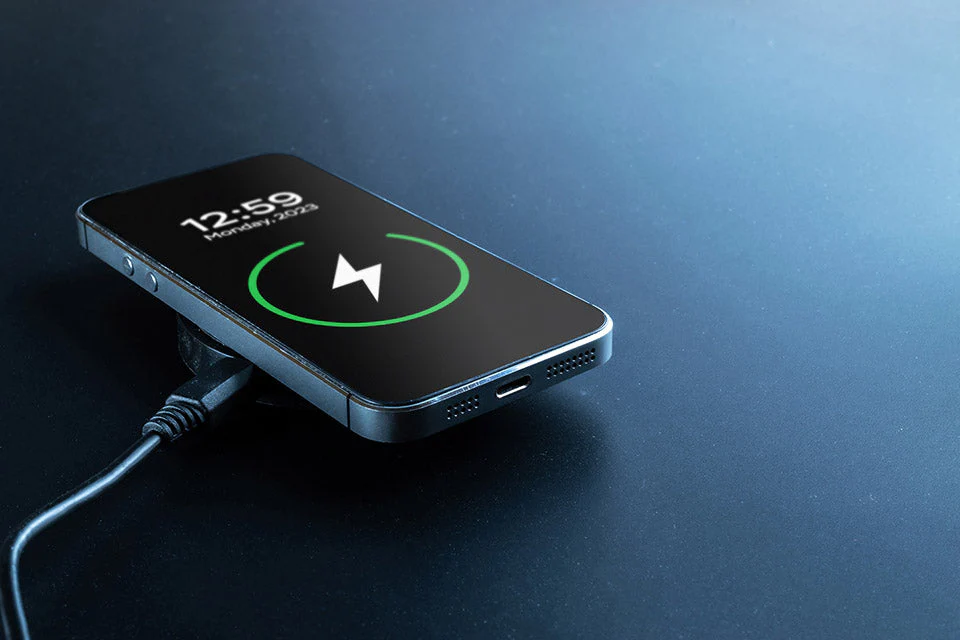
One of the most repeated claims is that battery life is shortened by using fast charging. Modern lithium-ion batteries have advanced power management systems within. Higher charging speeds are systems' designed handling purpose. Battery protection comes from these systems by way of heat as well as voltage regulation.
Charging speed affects battery degradation less than full charge cycles and temperature extremes do. By use of certified chargers and cables safe limits are maintained for charging. The technology evolved, especially in premium devices. Because of this evolution, battery health balances now with speed.
Most devices slow the charging rate since any charging generates heat when batteries reach higher percentages. The battery is defended from any excessive stress as its usable lifespan is also extended.
Higher Wattage Always Means Faster Charging
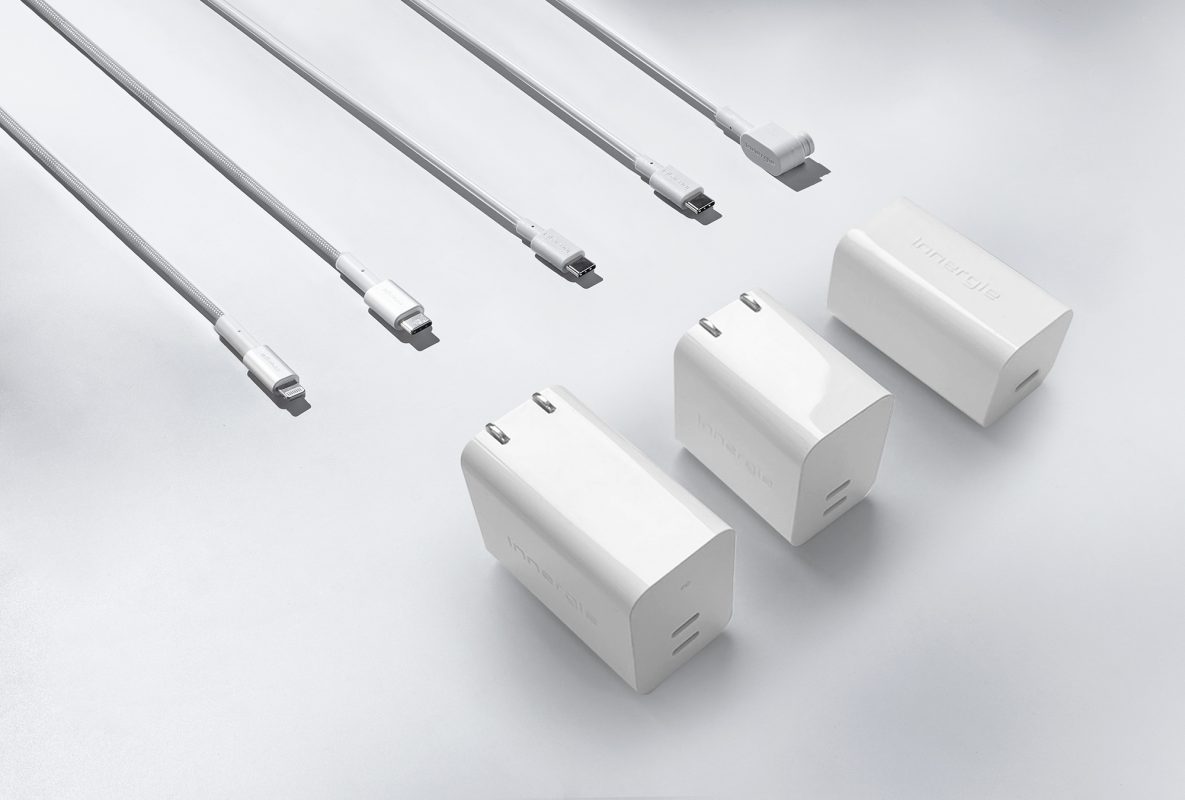
Many assume that it is faster for charging to be equal to a higher wattage in every case. For accepted power, the device’s internal charging circuitry sets the limit. In actuality, it is about the level of power which it accepts. A 100-watt charger charges no faster if the phone only supports 25 watts.
It is less important that one chase after the highest wattage than that one match the charger to the charging standard supported by the device. A charger exceeds the supported wattage without harming the device, also it does not improve speed.
Manufacturers often provide optimal chargers in the box, or they list specifications for helping you choose the right accessory. This ensures the best charging performs with optimality. Therefore, it is the case that there is no waste.
Fast Charging Works the Same for All Devices
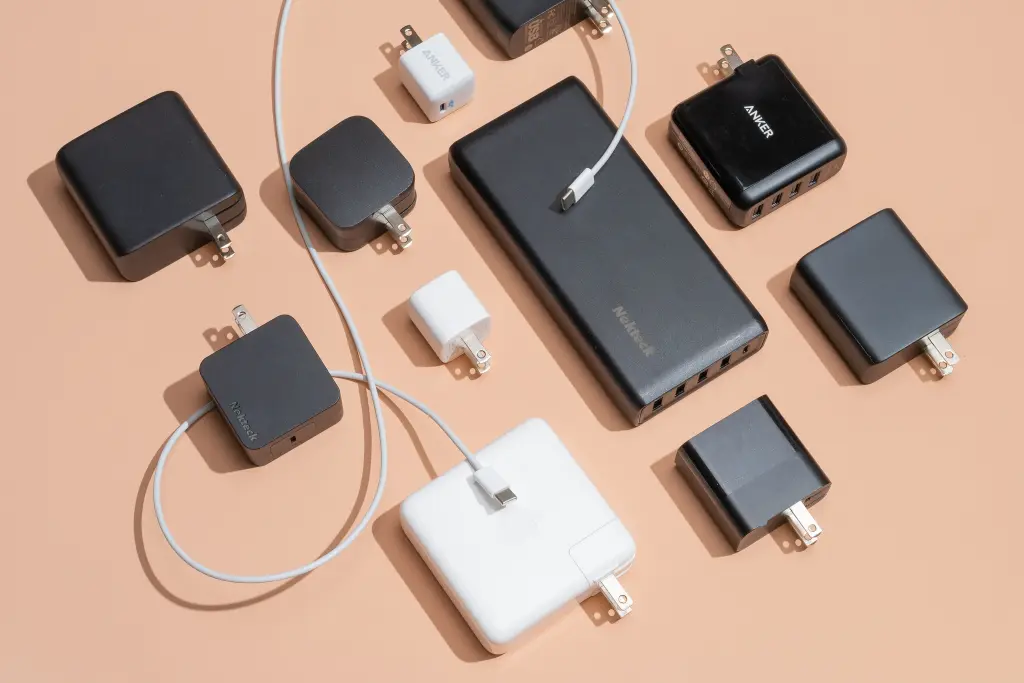
Charging speed is inconsistent between different devices even when similar chargers are used. Each brand uses charging protocols that are its own such as proprietary systems or Quick Charge. Regarding charging protocols USB Power Delivery is another. Protocols control voltage and current that communicate between charger and device.
A charger may not work at full speed on a device using another protocol. This is on account of the charger supporting but one protocol. Compatibility matters more than raw power ratings. For this reason chargers deliver peak speeds only for the devices from that same brand or ecosystem.
In the event that you grasp these differences, you shall prevent frustration as well as choose chargers that match requirements for your devices.
Charging Overnight Harms the Battery with Fast Charging
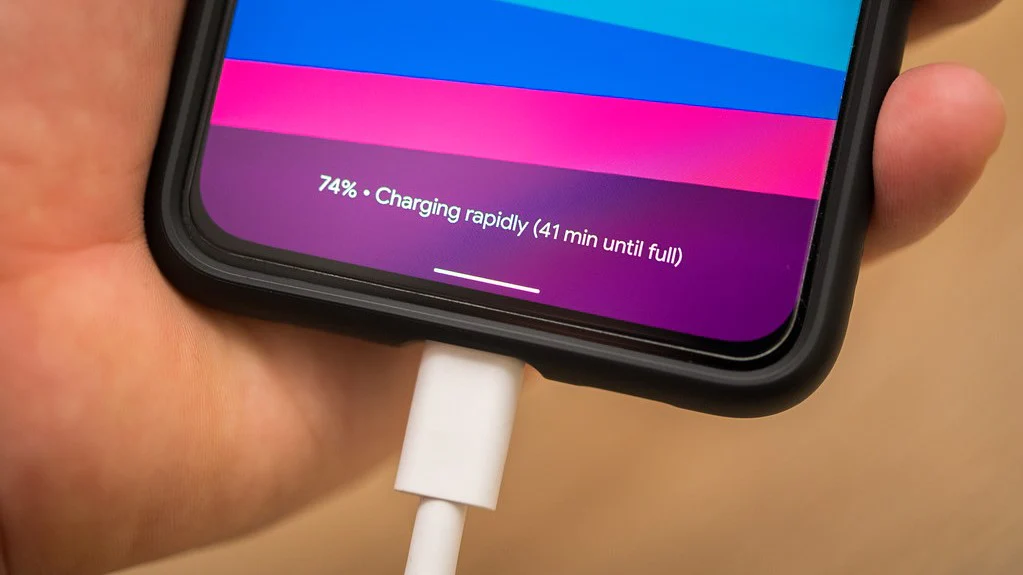
Leaving a device plugged in overnight is thought to lead to overcharging of it. Systems for charging control in modern devices stop sending power when the battery is at capacity. The device still follows the same safety rules. Fast charging involves adherence to these rules.
After they reach 100 percent many devices switch to a maintenance or trickle charge. This keeps the battery topped up free from overheating. Overnight charging is generally safe with reliable chargers as well as cables, this means.
With overnight charging heat buildup is the main concern in poorly ventilated areas. Keeping devices charging in open spaces is helpful for the reduction of unnecessary heat stress.
Final Thoughts
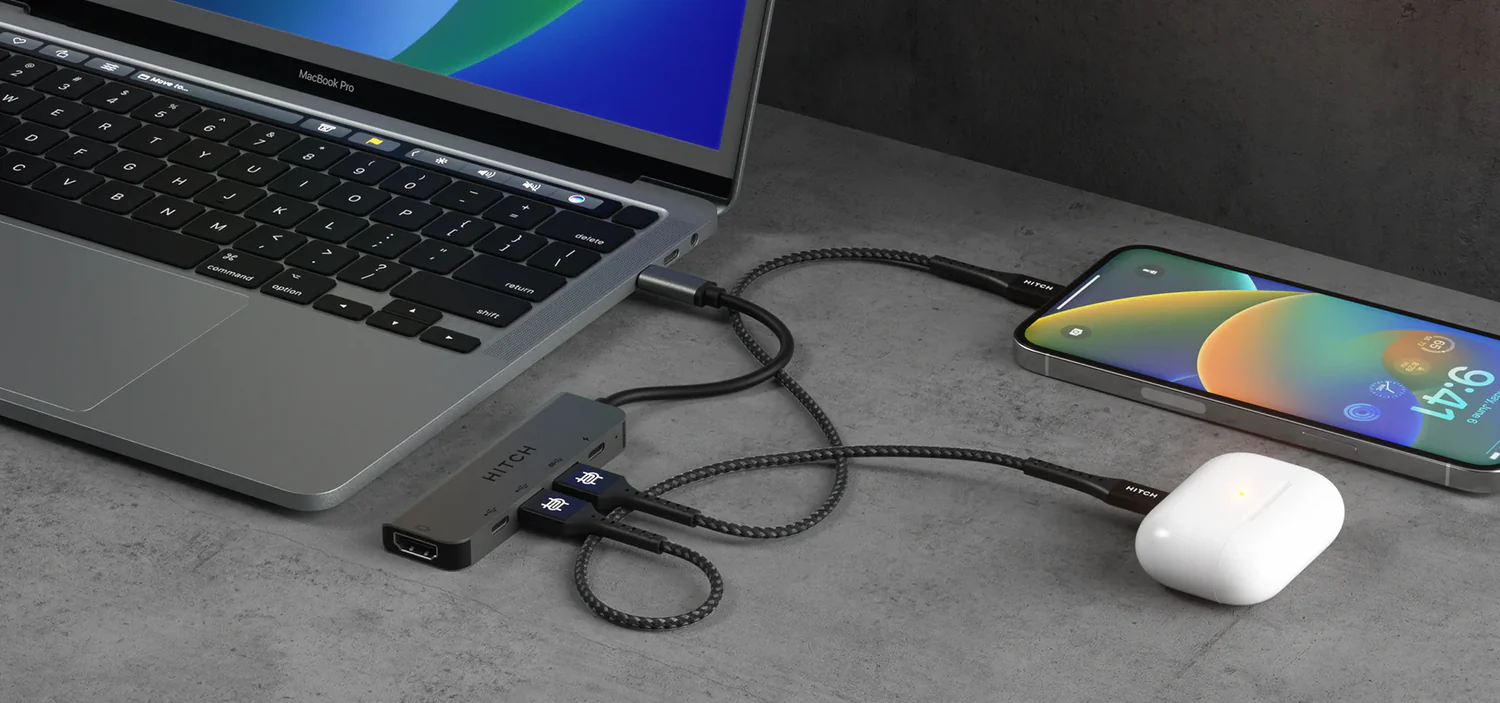
Fast charging is safe so its use is effective through compatible chargers and cables. People are often confused by myths that batteries rapidly wear or are universally compatible causing poor charging habits. To benefit to the fullest, the inner workings of the technology must be understood. You can then be able to take advantage of much faster charging speeds in order to maintain long-term battery health.