

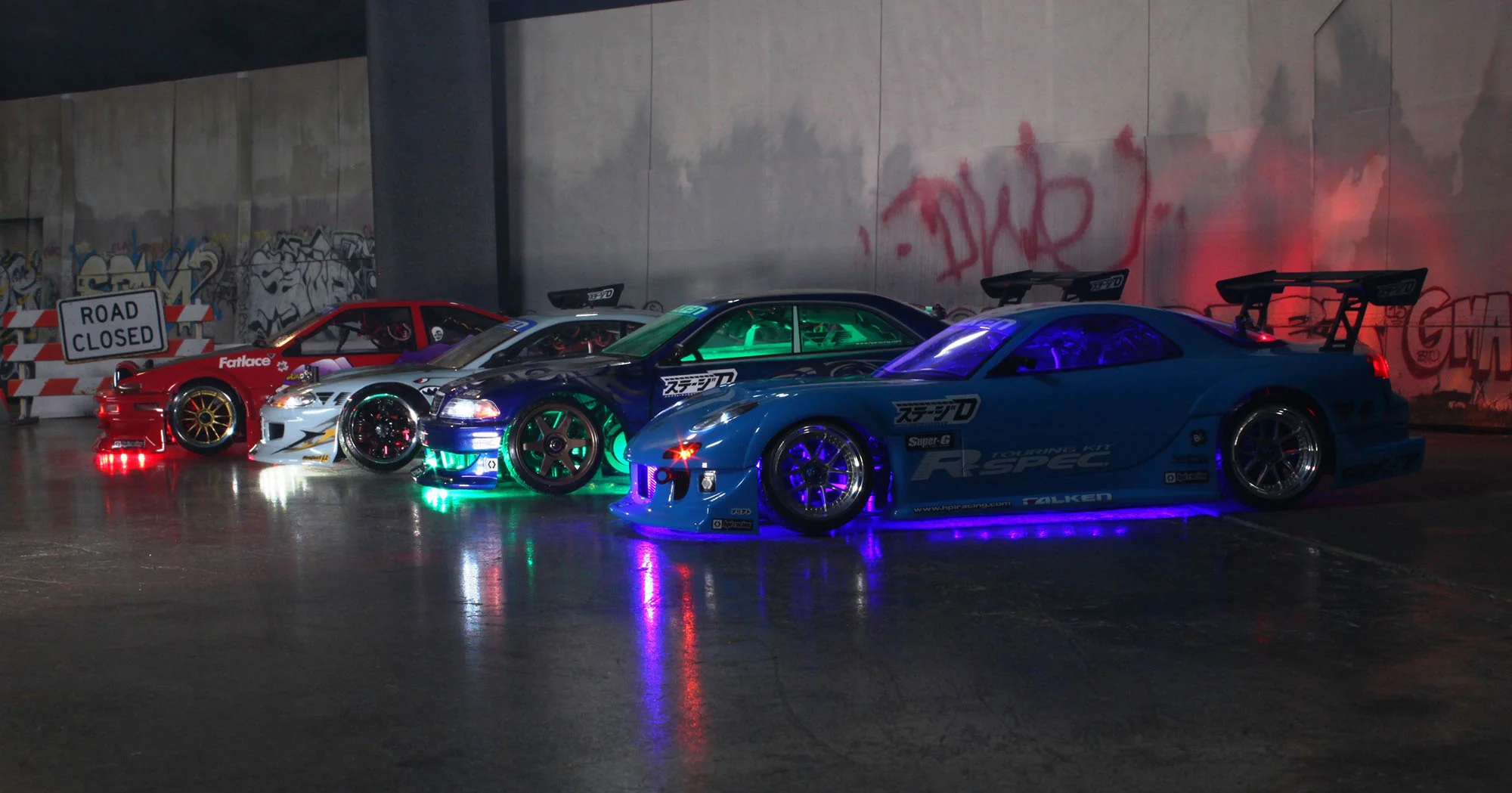
From humble beginnings, RC drifting has become arguably one of the most technical forms of radio-controlled car motorsport, comprising not only skill in driving, but also setup and aesthetic presentation as an art and a sport. Around the world drivers now compete in indoor carparks and racetracks, and in the forums of the slide.
In 2025, modern RC drift cars are more realistic and responsive than before now, utilizing modern RC chassis materials, gyro-assisted steering, and brushless powertrains to mimic a full drifting experience. The car has many aspects. Those aspects, including throttle inputs and counter-steering, are designed to feel realistic.
The Art of Controlled Sliding
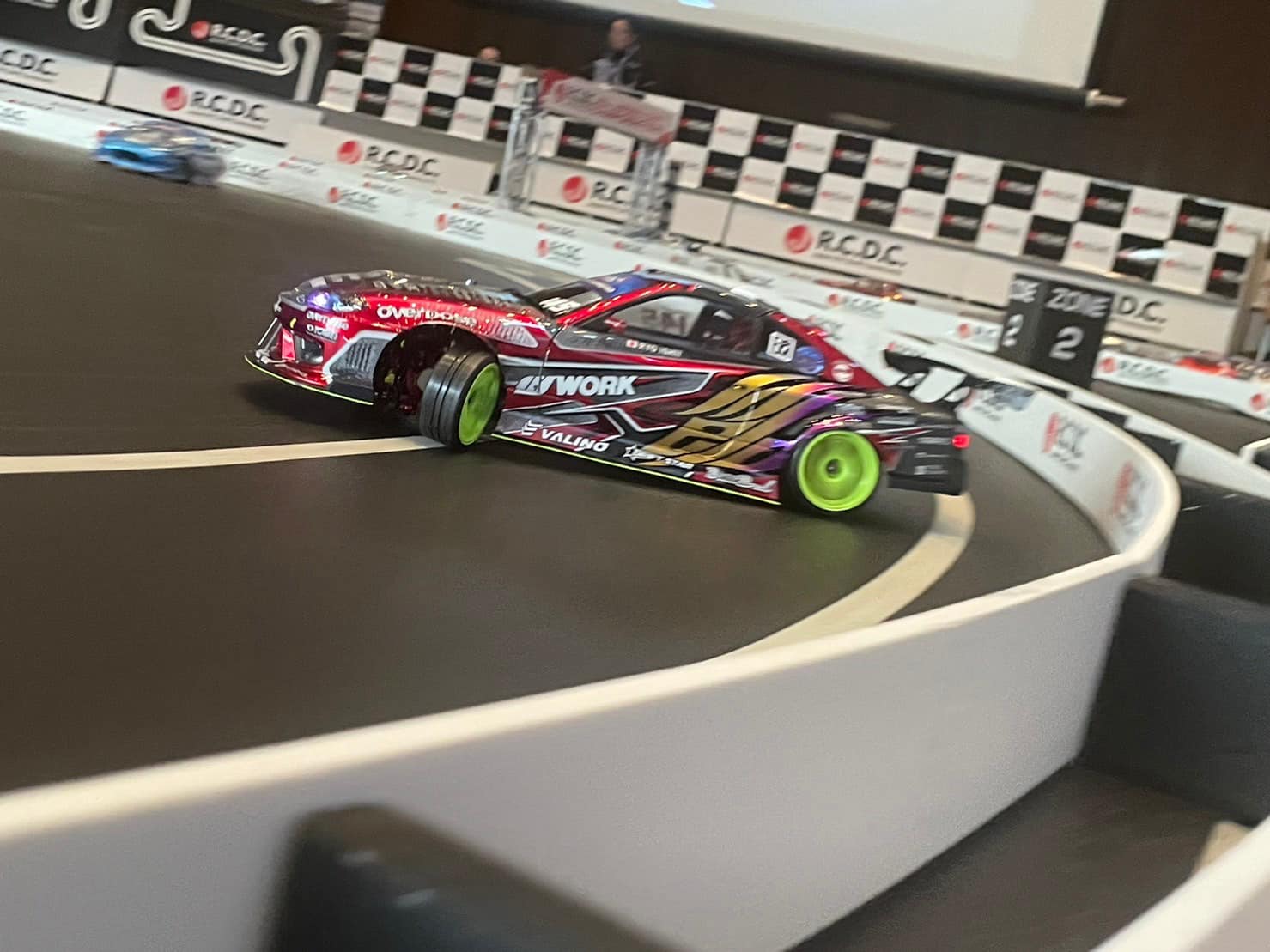
RC drifting needs balanced throttle with steering adjustments including precise timing for managed slides through turns with smooth transitions between turns. Drifting is style-oriented. Speed is not as important as fluid transitions between turns, according to some.
Whereas grip and acceleration are what is required for normal RC racing, drift cars are built to break traction and the aim is to control the slide whilst connecting the corners in a flowing manner. This contrast of power and control is what many find attractive in the drift sport.
Modern Technology in Drift Cars
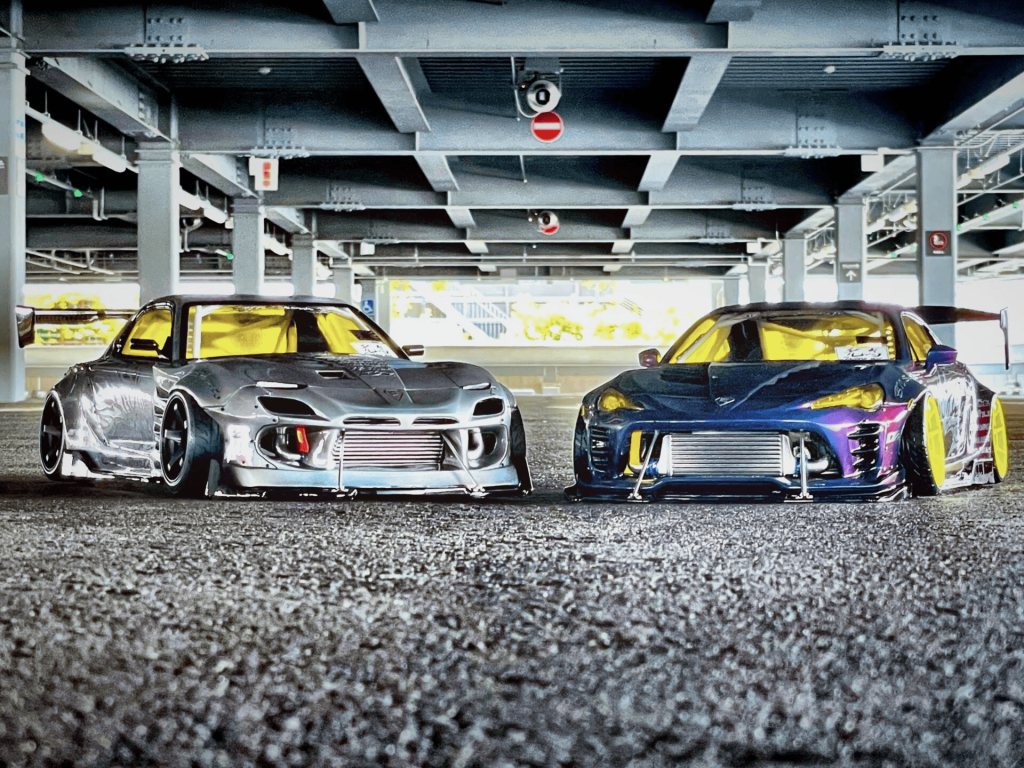
Today’s RC drift cars are powered by efficient brushless motors paired with LiPo batteries, giving it smooth and consistent torque delivery. Electronic gyros are used to stabilize the steering, making drifts look more natural at lower speeds. These technologies lower the bar to join the hobby, but also reward skillful drivers.
Chassis often have adjustable suspension geometry, carbon fiber decks and aluminum parts that can be optimized to be equivalent to full size drift cars. Popular top-sellers in the RTR market include models from Yokomo, Overdose, MST and Reve D, each having different handling characteristics and dominating the competitive series.
Community and Competitions
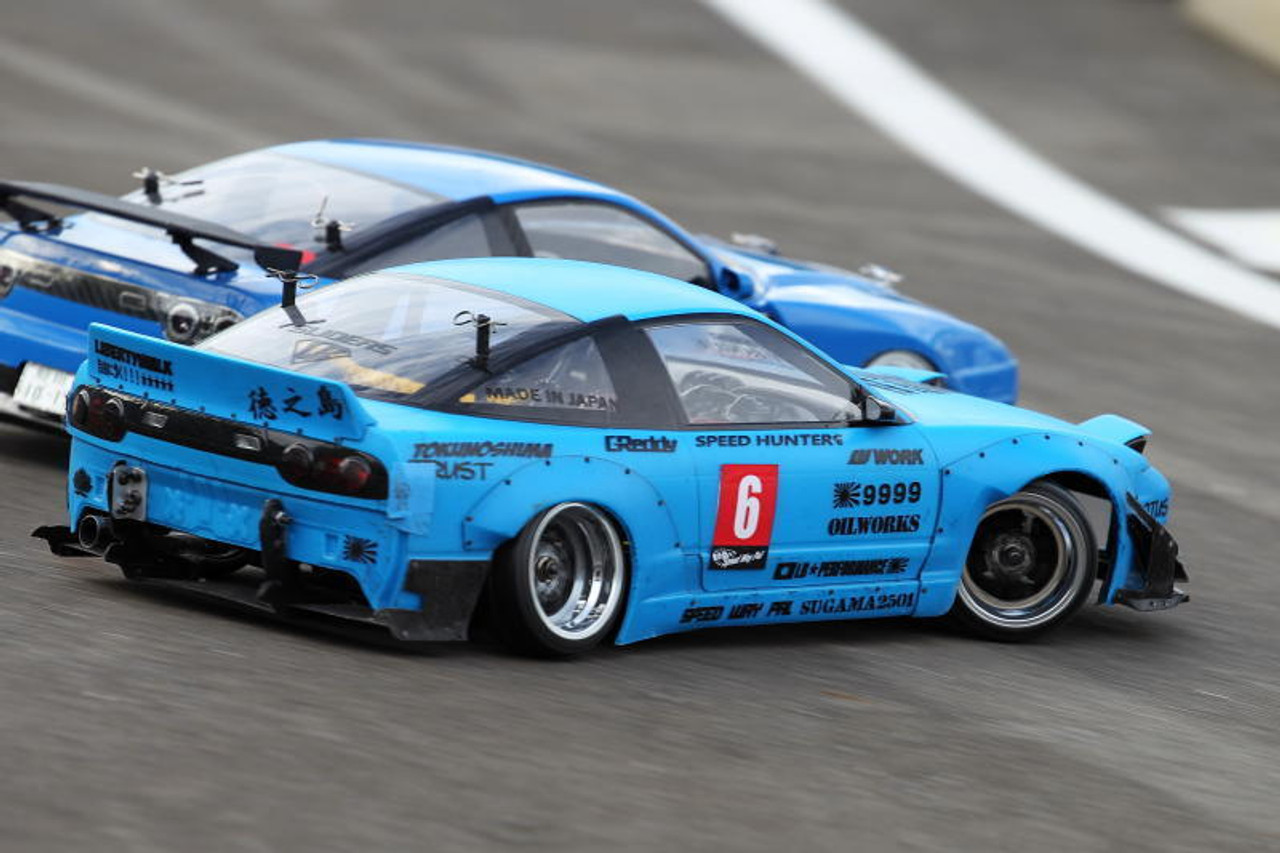
RC drifting thrives on community spirit. Clubs and hobby shops across Asia, Europe, and North America host weekly meets and national championships. Most notably Singapore, Japan and the United States have purpose-built racetracks and social events to present performance and visual appeal of automobiles.
Drivers can use scale-accurate aftermarket bodies, LED lights, and livery to replicate real-life drift cars. These are also a prominent part of the culture surrounding the sport. For many, building and tuning is more enjoyable than driving.
Getting Started in 2025
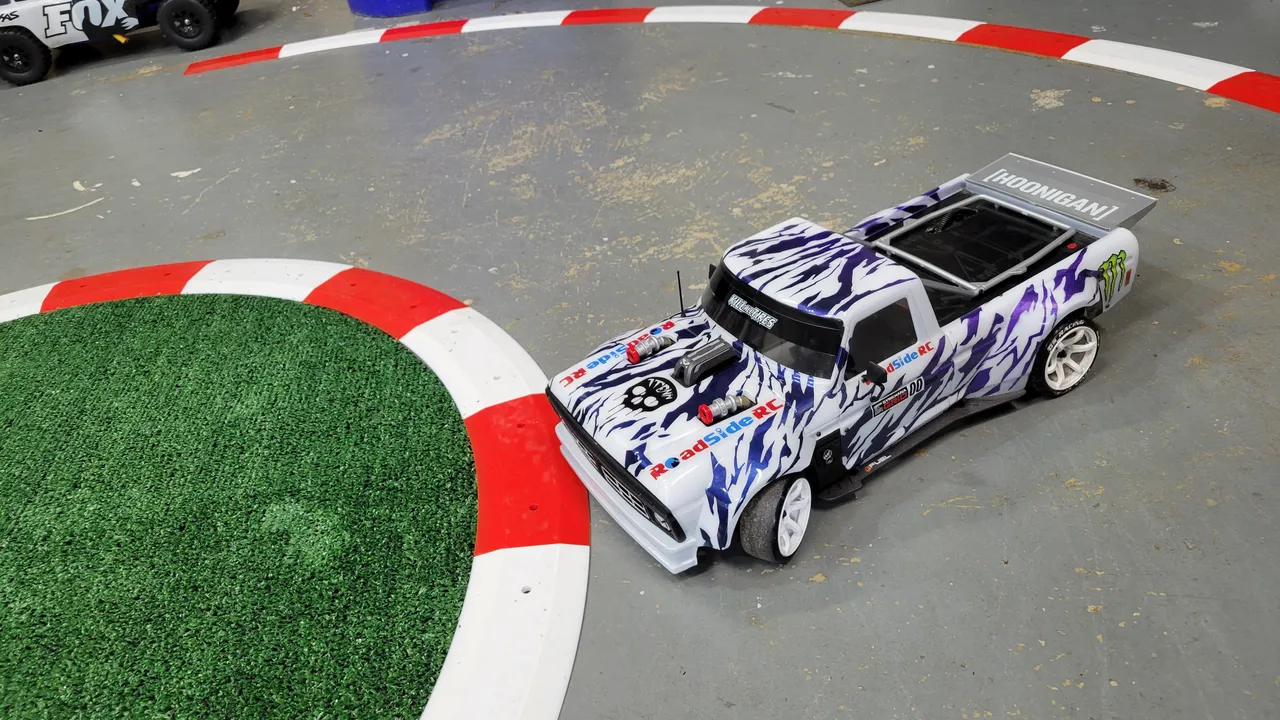
Starting in RC drifting has never been easier. Entry-level kits like the MST RMX 3.0 or Yokomo YD-2 series provide an excellent foundation for learning. Cheap 2.4GHz radios, reliable ESCs, and middle-range brushless motors let beginners perform well.
Information comes from online groups and local hobby stores. They provide details on tuning, tracks, and vehicles. During the start, beginners should go easy, and learn about throttle control and how the vehicle reacts to different surfaces and track types. Success needs patience. Success needs experimentation.
Final Thoughts
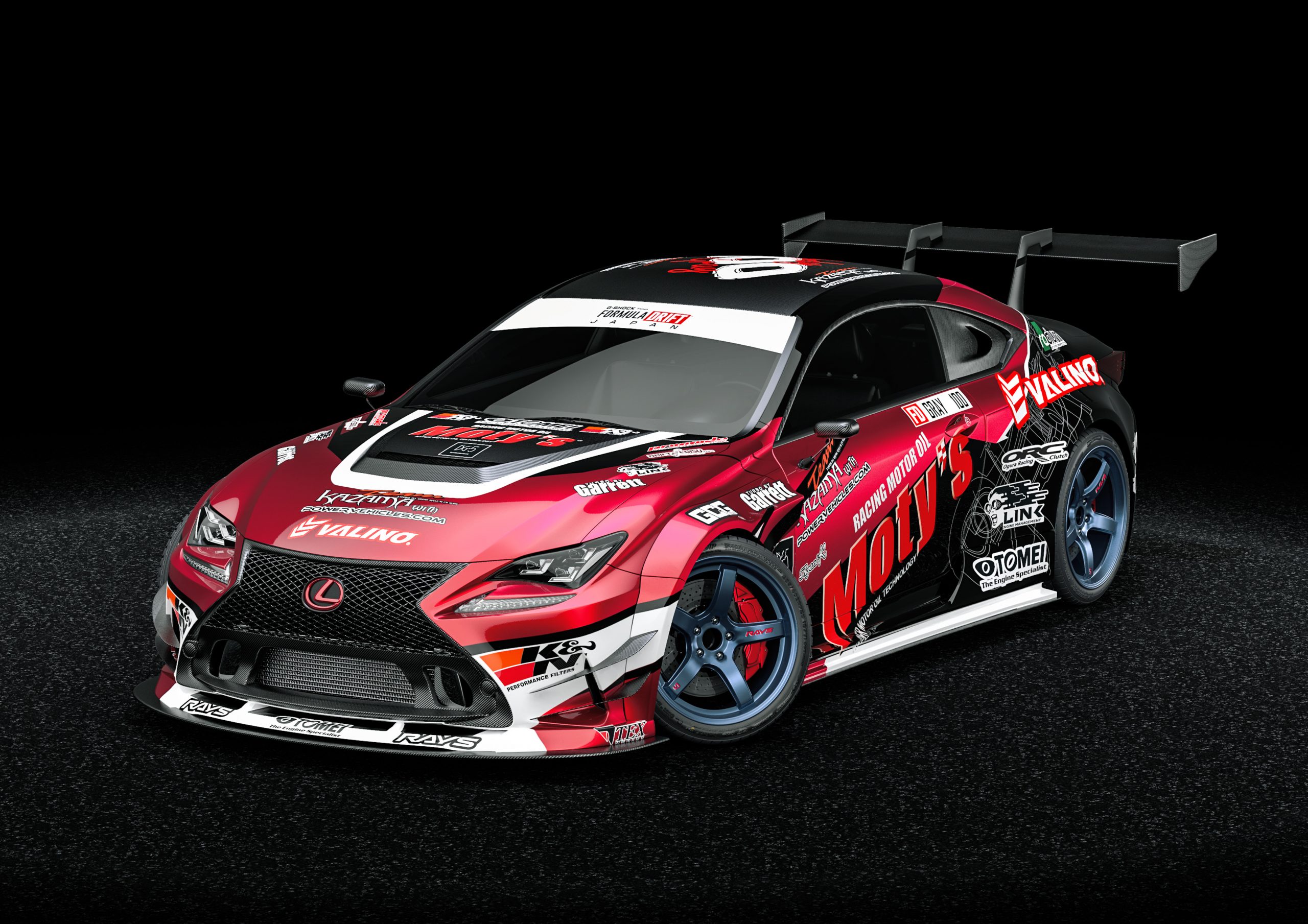
RC drifting in 2025 captures the perfect blend of engineering and artistry. With realistic handling, strong global communities, and endless customization, it continues to attract both hobbyists and serious competitors. Whether you are chasing precision, building the perfect setup, or enjoying a friendly tandem battle, RC drifting offers something that few other RC disciplines can match pure creative control on wheels.