

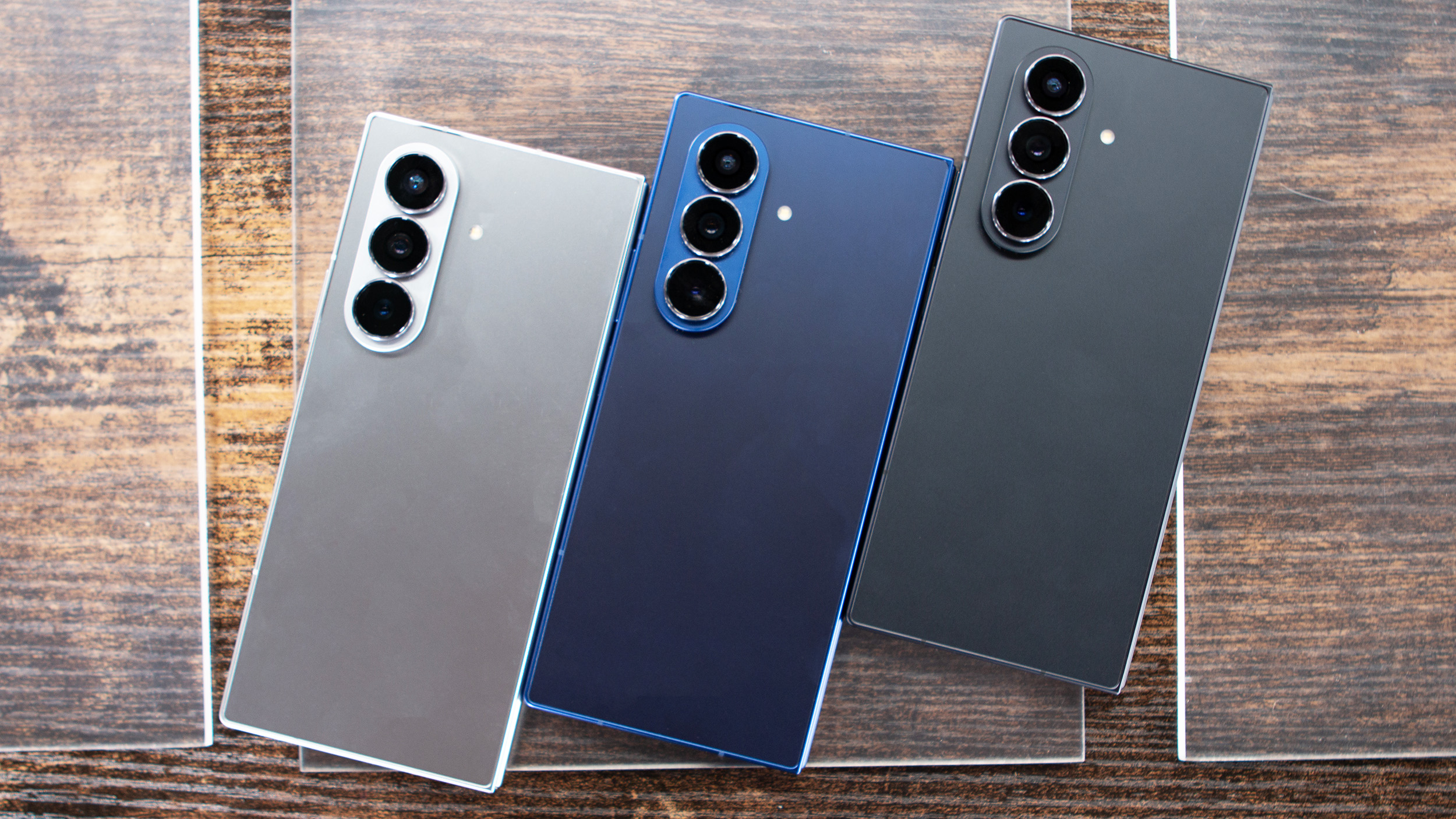
Foldable phones have shifted away from experimental devices toward premium flagships with Samsung still leading this category. The Galaxy Z Fold7 builds upon both the design and also features of all of its predecessors. Its goal is to try to refine the foldable experience, and not to reinvent it. Usability, durability, coupled with performance are the focus of early device impressions.
For users considering foldables, the Fold7 asks an important question: does this meaningfully step forward into progress, or does it simply polish what came before? Considering its display, design, performance, and software integration assists the response.
Refined Design and Build
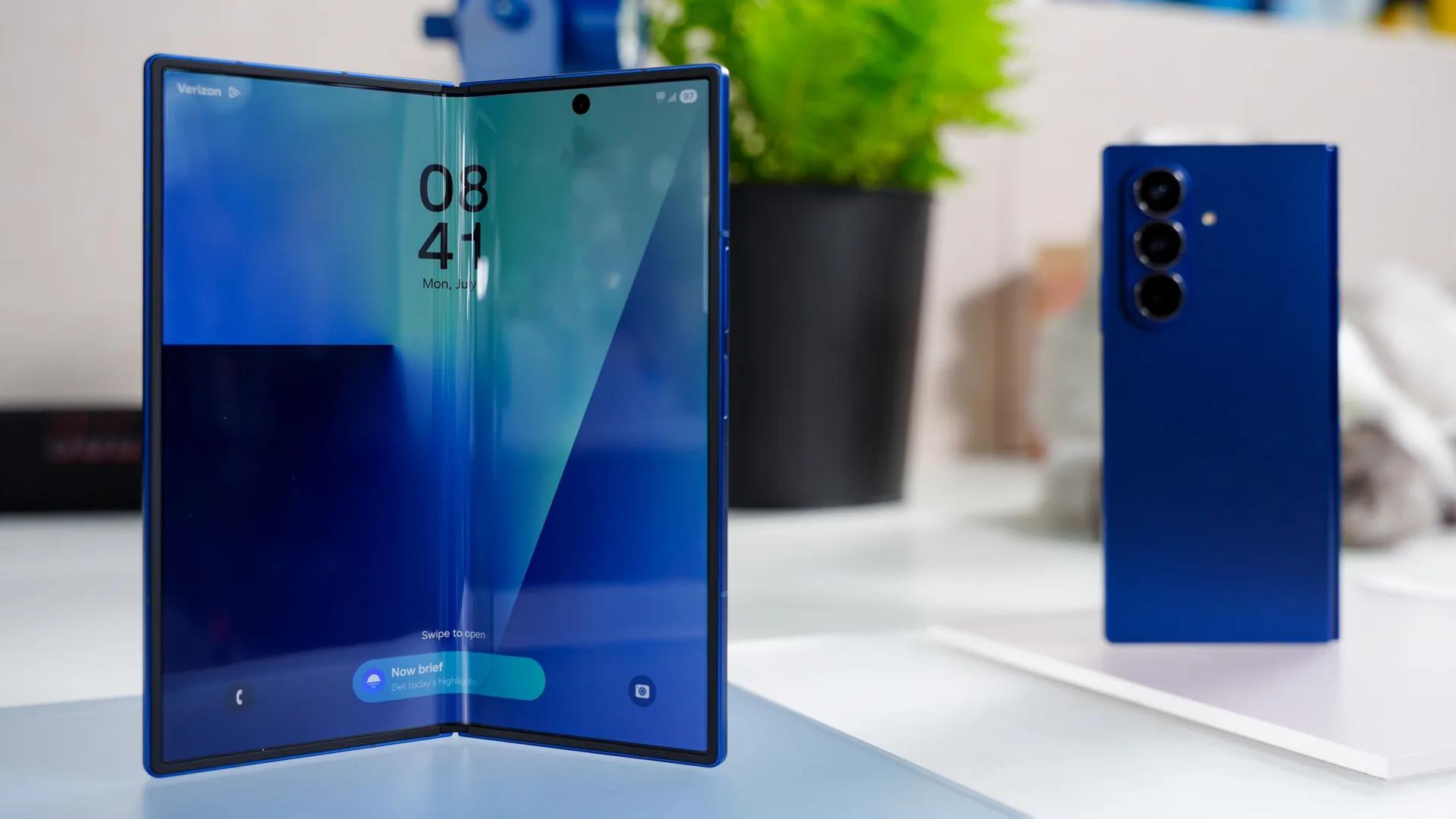
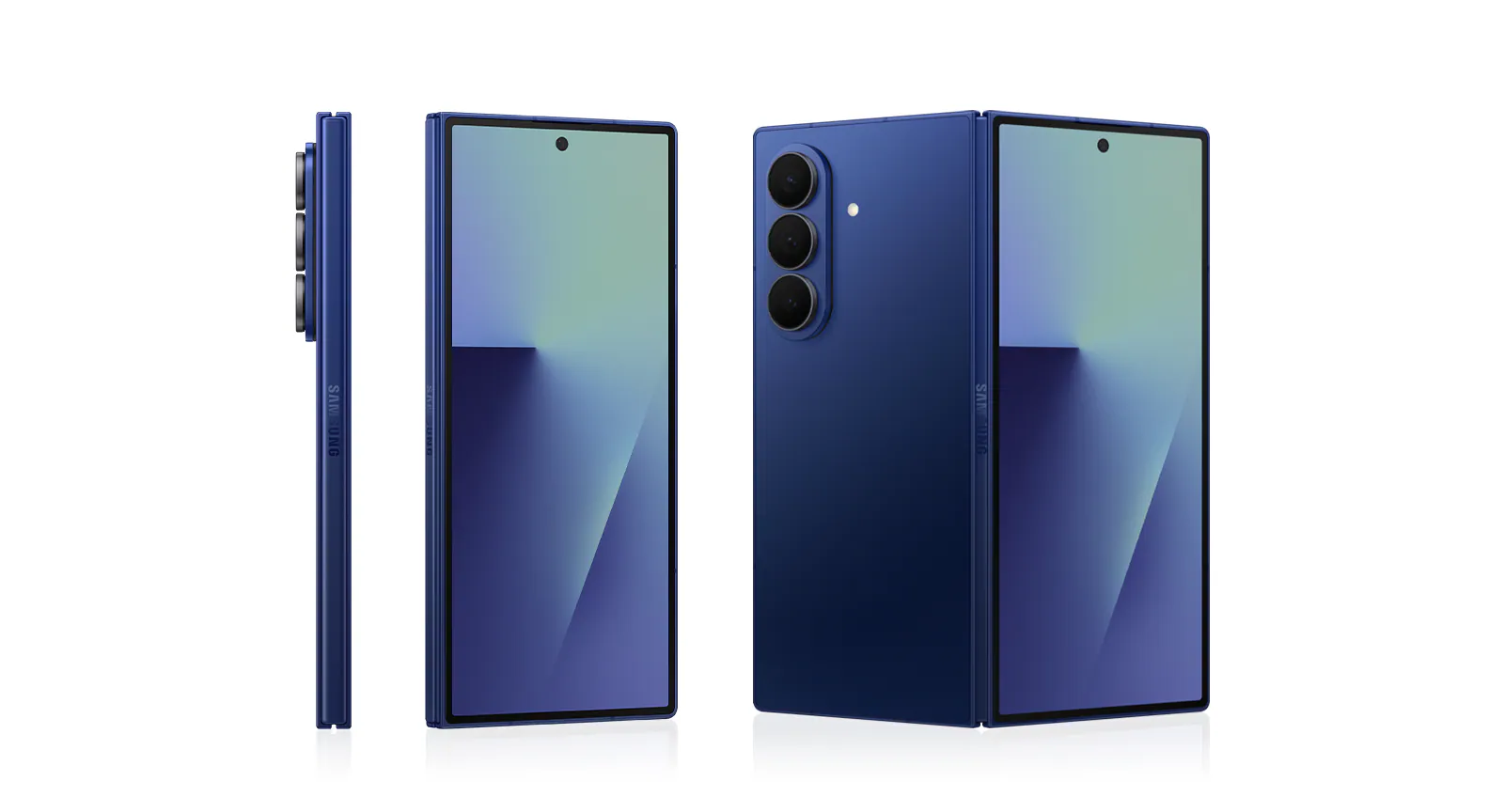
The Z Fold7 feels sturdier compared to earlier models because the hinge mechanism and frame materials have improvements. It opens more smoothly and it is rated for more folds so this addresses previous generations' durability concerns.
Samsung has made the device slimmer as well as lighter. Using it one-handed is more comfortable and holding it within tablet mode causes less fatigue. The changes do show progress more toward practicality, even though it is still thicker than a regular smartphone.
Water resists and dust resists too, and they have observed some minor upgrades which give the device additional resilience in daily use. These refinements suggest Samsung seeks to make foldables feel sturdier.
Main Display Experience
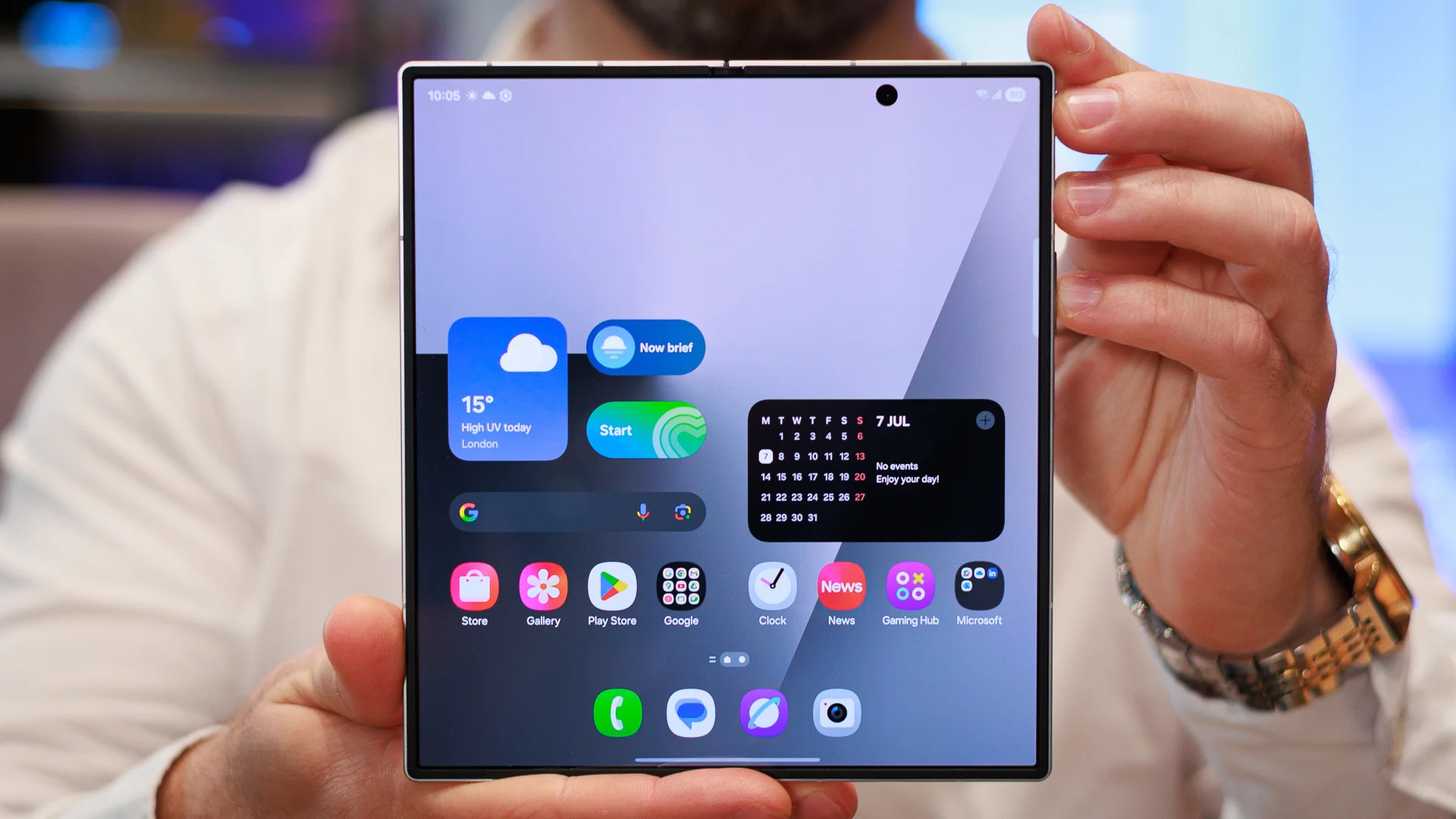
The inner foldable display remains the centerpiece. At over seven inches, it offers ample space for multitasking, reading, and content creation. Samsung has improved brightness and contrast, making it easier to use outdoors and in bright settings.
Crease visibility is reduced compared to older models but not entirely gone. For most users, it fades into the background during normal use. The smoother glass layer and upgraded protective film add durability without affecting touch sensitivity.
High refresh rates and better color accuracy make the Fold7’s display one of the strongest in any smartphone class.
Performance and Hardware
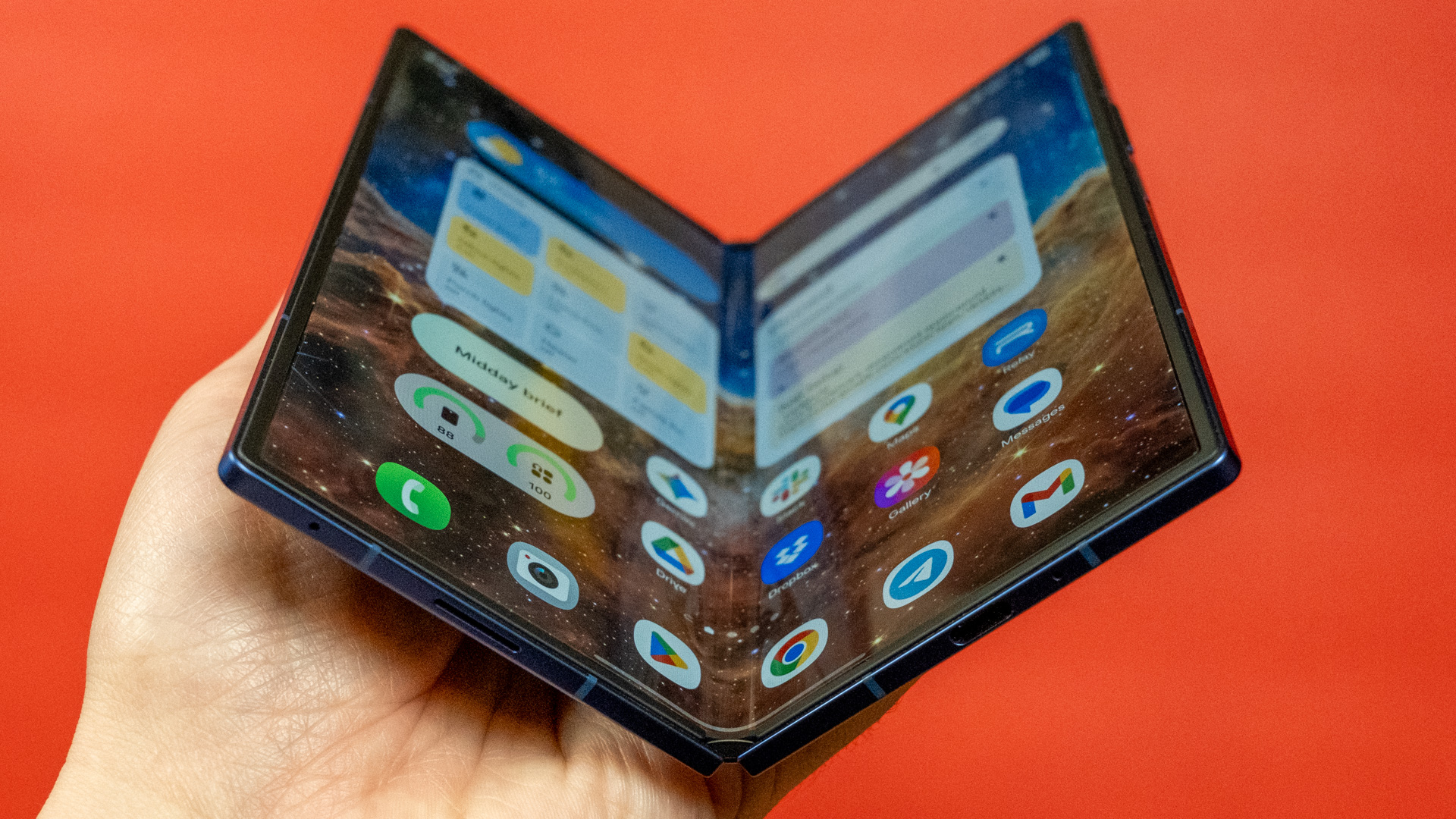
Powered by the latest Snapdragon processor and with generous RAM paired, the Fold7 handles multitasking smoothly. It feels fluid multiple apps run side by side. Transitions from folded states toward unfolded states stay smooth.
Even though battery capacity is like that of the last generation, the efficiency of the new processor yields usage that is extended. Fast charging remains standard. Wireless charging, in fact, is just not so dramatically improved.
Slight camera upgrades perform better in dim light plus shoot sharper ultrawide shots. They do keep the device competitive as well as other premium flagships though not as a leap forward.
Software and Multitasking
Samsung’s software continues improving since it gets stronger. The larger display is useful for productivity because it has features such as taskbar shortcuts. App continuity, along with improved split-screen layouts, does also improve it.
Because more developers optimize interfaces for the foldable format, third-party app support is stronger. Fold7 works better for work also entertainment than past versions.
To those wanting a phone and tablet in one device, the Fold7 feels more like a reliable daily driver and less like a novelty.
Final Thoughts
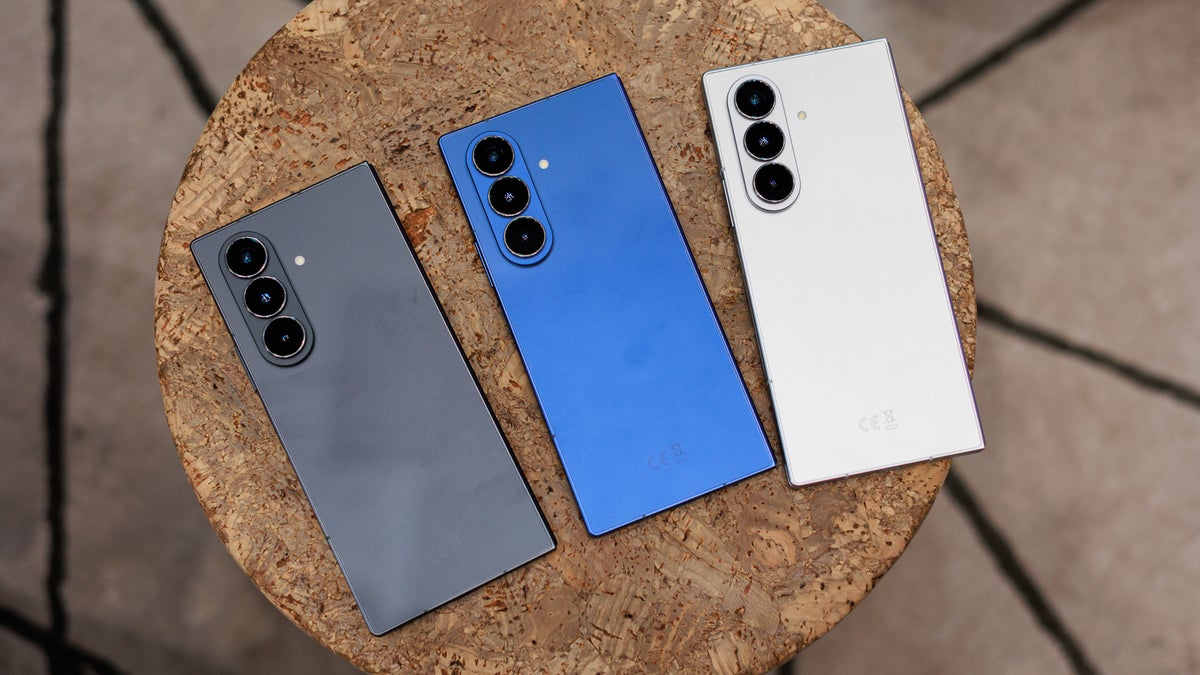
The Galaxy Z Fold7 shows continuous advancement regarding design, durability, and usability. It does not redefine the foldable category but it refines the device making it more practical for daily use. Foldables interest some people, also it represents the most polished option up to now. It is the high price that keeps it a niche product for now, however.