

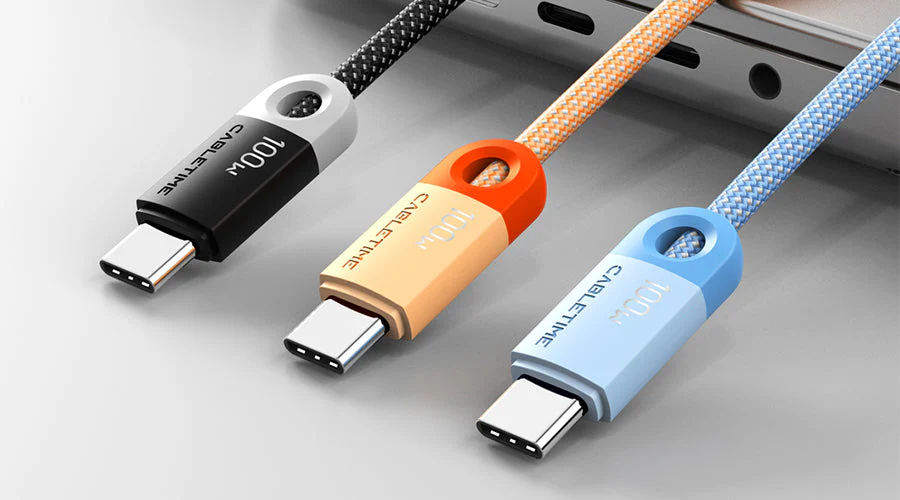
For years, USB-C has been gradually replacing our devices' ports, such as power banks, headphones, tablets, and laptops. Now that Apple has moved across its product lineup at last, the transition feels quite complete. What began as a tech industry trend is now a global standard since it changed how we charge, connect, and share data.
USB-C includes added abilities. It is also of a different shape. How devices do communicate as well as power each other sees a shift that is represented. Adoption is driven by more of faster speeds and more versatility with universal compatibility. For manufacturers and consumers this is the logical step ahead.
The Push for a Universal Standard
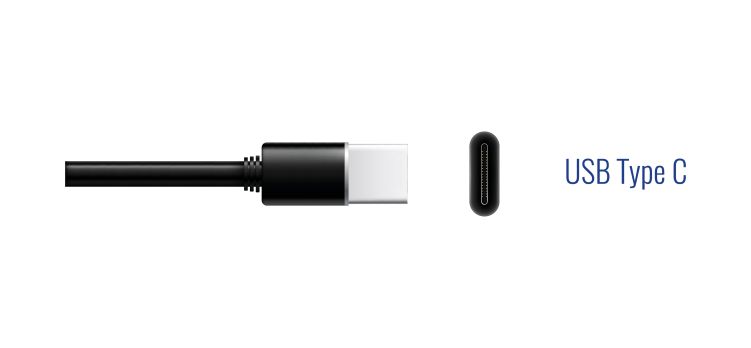
In a world that is filled with different chargers, USB-C offers some much-needed simplicity with cables. Its reversible design, fast charging, and wide support make reducing clutter and confusion ideal.
Tech companies including Apple are under growing pressure to streamline user experience. Just one port across the devices increases the convenience. Furthermore, it helps in reducing electronic waste.
Now a symbol for unification across the tech industry is what the small port once seemed. USB-C is the one connector that seems to work with gaming consoles along with Android phones. It does seem to work in every place.
Apple’s Reluctant Adoption
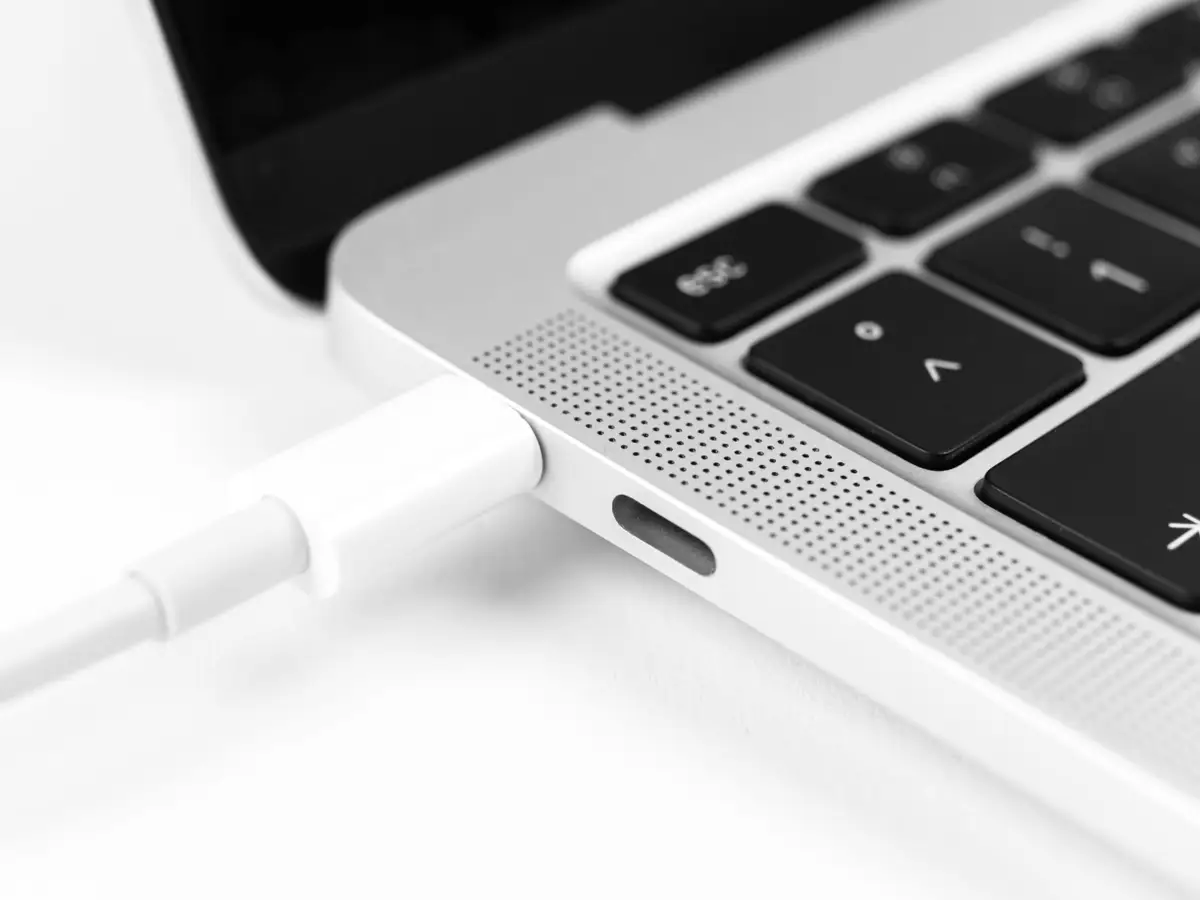
Apple resisted USB-C for many years since it did prefer its own proprietary Lightning connector upon iPhones plus accessories. Even Apple had to make the switch with increasing user demand also growing regulatory pressure from the EU.
MacBooks plus iPads began the transition. Across the lineup, USB-C was gradually introduced. In 2023, the iPhone did finally join in, and this did mark an important moment for Apple’s design philosophy.
Apple goes to USB-C and then charges with more speed. Accessories get better support, also integration with non-Apple devices becomes easier than before. The total ecosystem gains from this shift in the long run.
Speed and Performance Upgrades
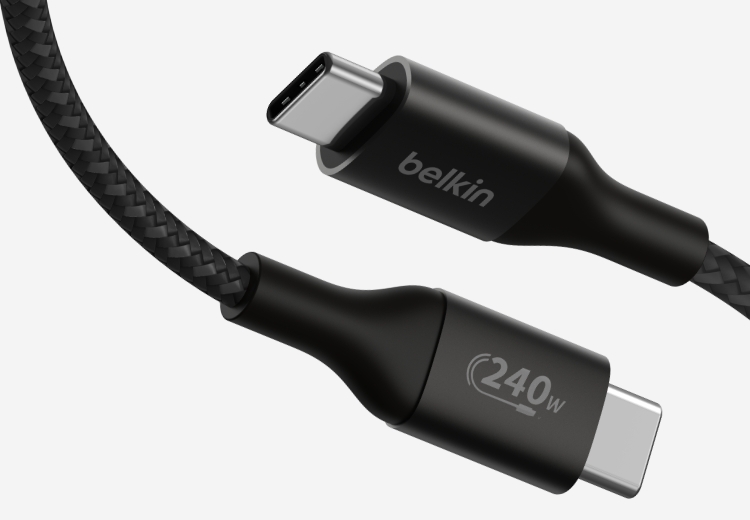
One of the key reasons for USB-C is its appealing performance. With support, users can move entire photo libraries, 4K videos, or large files for high-speed data transfer. Older USB standards can be much more slow.
USB-C's greater power delivery allows faster charging for laptops, tablets, and smartphones. Your charger as well as your HDMI cable both can be replaced through a single USB-C cable sometimes.
USB-C tech keeps getting better. The technology with respect to it evolves in that way, too. Newer versions are a future-proof solution for most users since they support higher wattage and faster transfer speeds.
Better Accessory Compatibility
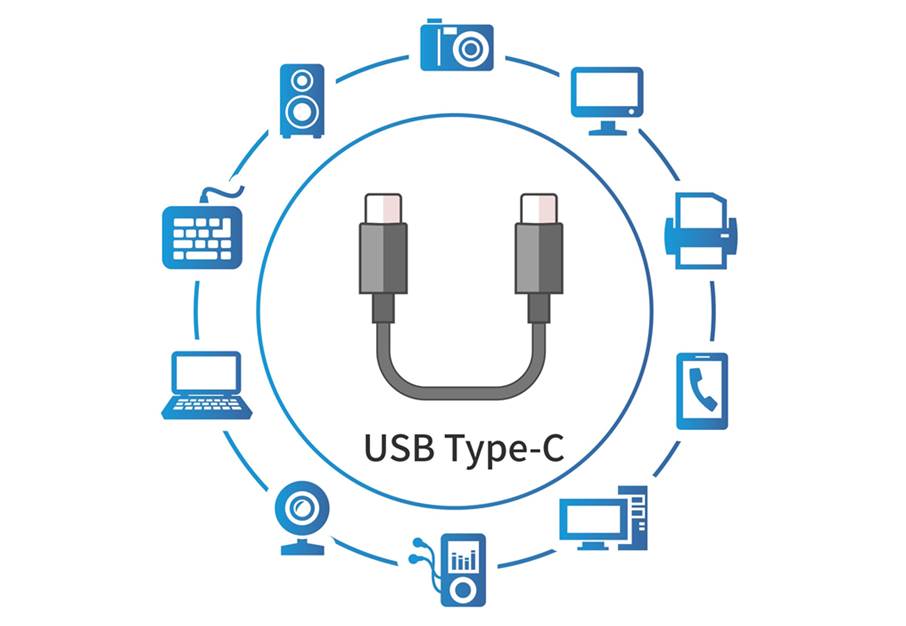
As USB-C becomes more common, more accessories become compatible across the board. Now one cable may connect headphones, hubs, also external monitors through fewer workarounds.
People who use devices with mixed brands should find this point to be important. USB-C closes the divide between ecosystems, so users all use one cable. Users can switch from a MacBook, a Windows laptop, or an Android phone.
Accessory makers also benefit. For manufacturing it is simplified and for adoption it is increased by designing it for just a single port standard. More of the choices result in benefits for consumers. Frustrations are then reduced for all consumers.
Final Thoughts
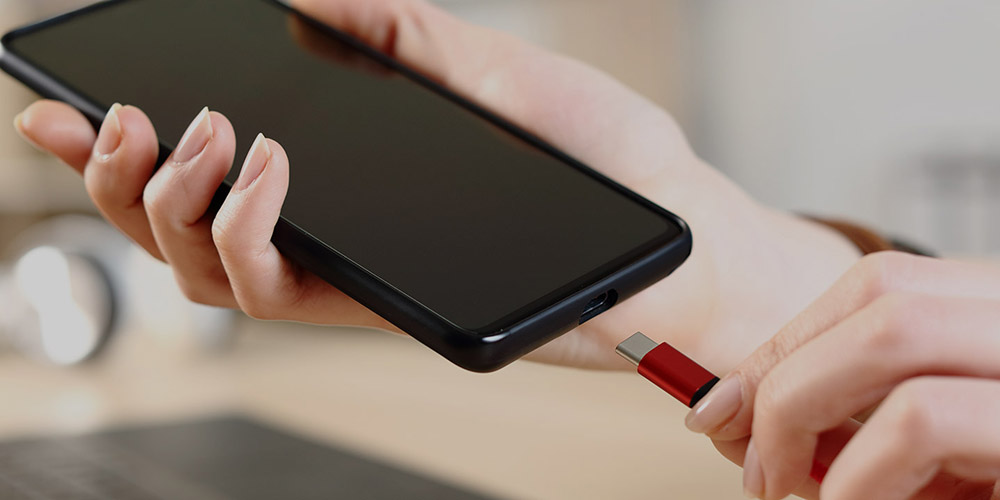
The move toward USB-C is not simply following some trend. It shows a wider need for sameness. People also want speed as well as ease of use in the digital age. Cables lessen, performance quickens, and compatibility improves, so it is obviously chosen by users and tech companies.
USB-C's place as a universal standard is now much more secure with Apple also on board. Whether it is that you upgrade your phone or you replace your laptop, or you choose your next accessory, it is safe to say USB-C will be at the center of it all.