

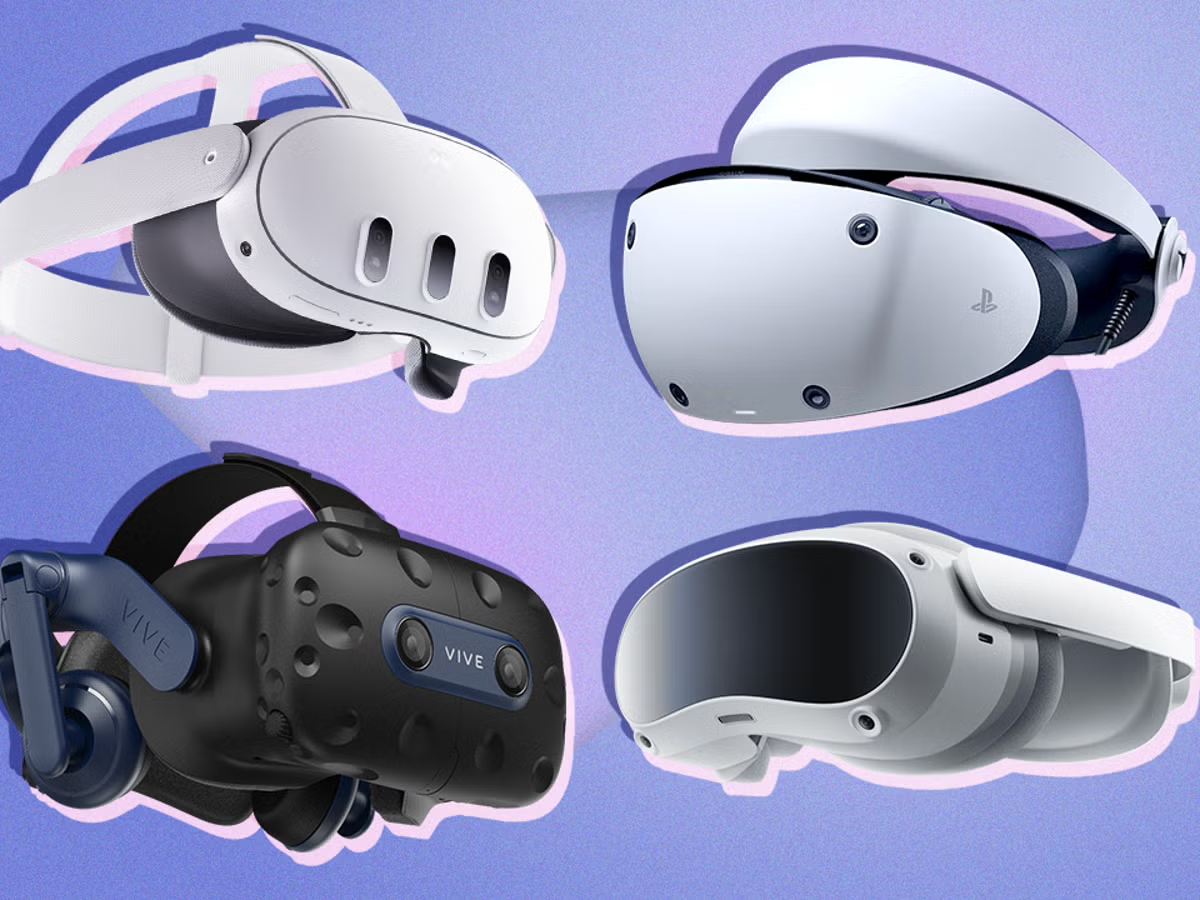
Virtual reality is no longer a futuristic promise, it’s a reality reshaping the way PC gamers experience their favorite genres. From immersive exploration in open-world adventures to high-octane thrills in first-person shooters and racing sims, VR transforms gameplay into something physical, visceral, and deeply personal.
However, not all VR headsets are created equal. Some prioritize clarity and visual immersion, while others focus on precise motion tracking or comfort during extended play. Whether you're stepping into VR for the first time or upgrading to a more advanced setup, choosing the right headset is key to unlocking the best your PC has to offer.
Here’s a detailed guide to the top VR headsets for PC gamers, with expanded insight into how each one delivers a unique flavor of virtual reality.
Valve Index
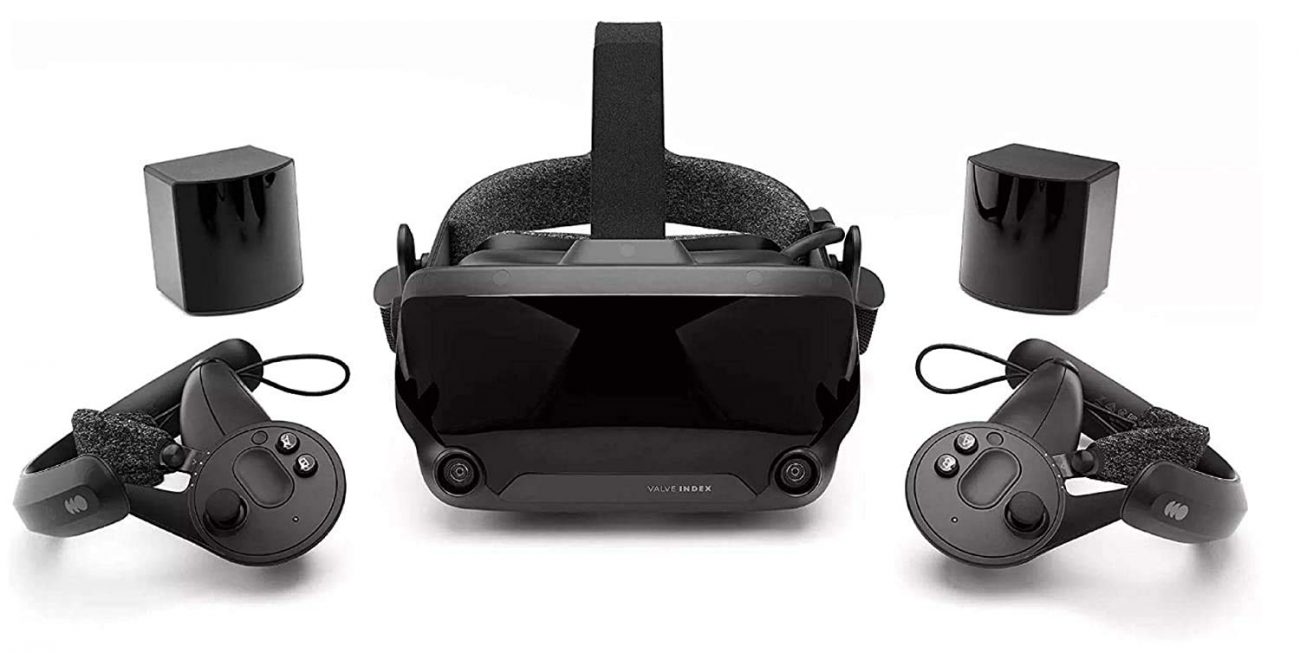
The Valve Index has earned its place as a flagship headset for serious PC gamers. While newer headsets may boast higher resolution panels, the Index remains a gold standard because of its overall balance between visuals, motion fidelity, comfort, and input control.
The headset delivers a sharp and fluid experience with 1440x1600 pixels per eye, a high refresh rate that goes up to 144Hz, and an impressive 130° field of view, which together create a rich, panoramic sense of presence. Unlike other headsets that can feel like you’re looking through a porthole, the Index opens up your peripheral vision, enhancing spatial awareness in VR worlds.
But what truly defines the Index are the Knuckles controllers. These advanced motion controllers track individual fingers, allowing for natural hand gestures, realistic object manipulation, and fine control that transforms interactions in games like Half-Life: Alyx, Boneworks, or Blade & Sorcery. You can throw objects with real arc physics, gesture freely, or grip virtual handles without button presses.
The caveat: the Index requires base station tracking, which means setting up external sensors. This takes more space and time but results in extremely low-latency, highly accurate tracking. For gamers with the room, and the passion for deep VR immersion, the Valve Index still holds a top spot in premium VR.
Meta Quest 3
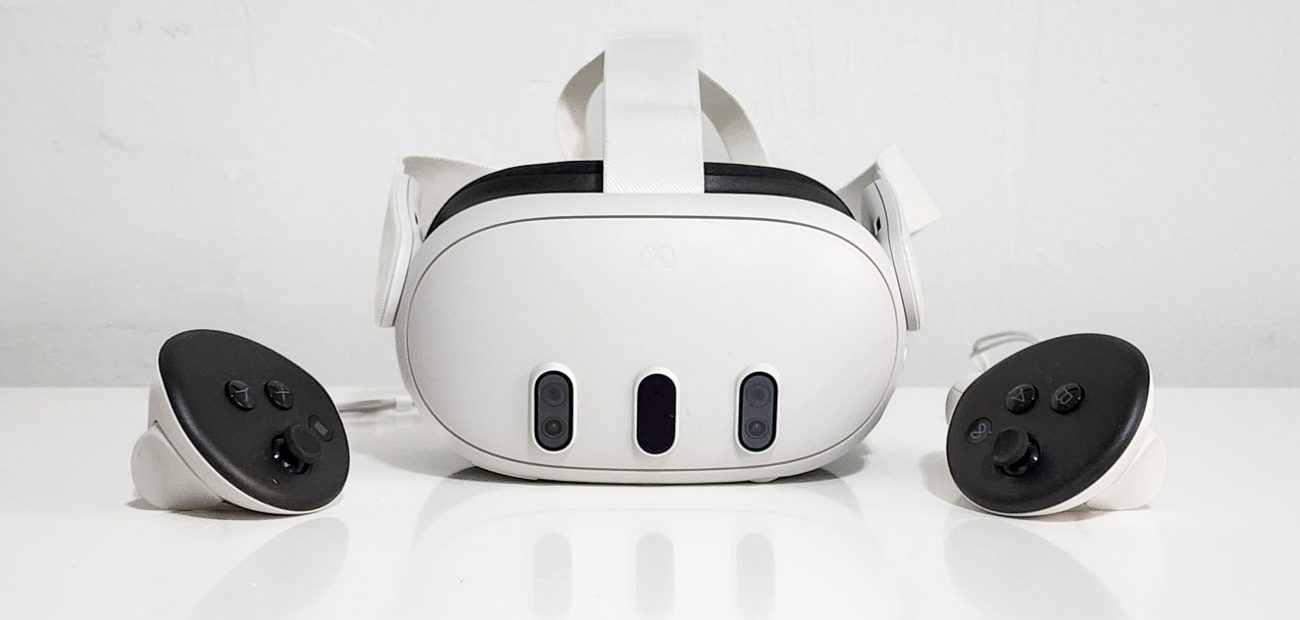
The Meta Quest 3 brings impressive flexibility to the table, offering both standalone freedom and full PC VR support via Link cable or wireless streaming. Unlike many headsets that force you to choose between console-style convenience or PC-powered fidelity, the Quest 3 gives you both and does it well.
Visual quality has taken a major leap over its predecessor, with high-resolution displays, pancake optics that offer sharp visuals across a wide field, and a lighter, slimmer profile that improves long-session comfort. Colors are more vivid, edge-to-edge clarity is stronger, and the sweet spot for viewing has been noticeably expanded.
For PC gamers, what really shines is the ability to run SteamVR titles through Air Link or third-party apps like Virtual Desktop, all while retaining a high refresh rate and minimal latency. This makes the Quest 3 a perfect choice for those who want the freedom to move without cables, yet still tap into the full horsepower of their gaming rig.
The Touch Plus controllers feel responsive and well-built, offering solid haptics and fast tracking. While not as advanced as Valve’s finger-tracking system, they remain among the most reliable for most gaming scenarios.
Best of all, setup is minimal. No external sensors, no complicated room calibration, just plug in, pair, and you’re ready to go. For anyone looking for one headset to do it all, the Meta Quest 3 is incredibly hard to beat.
Pimax Crystal
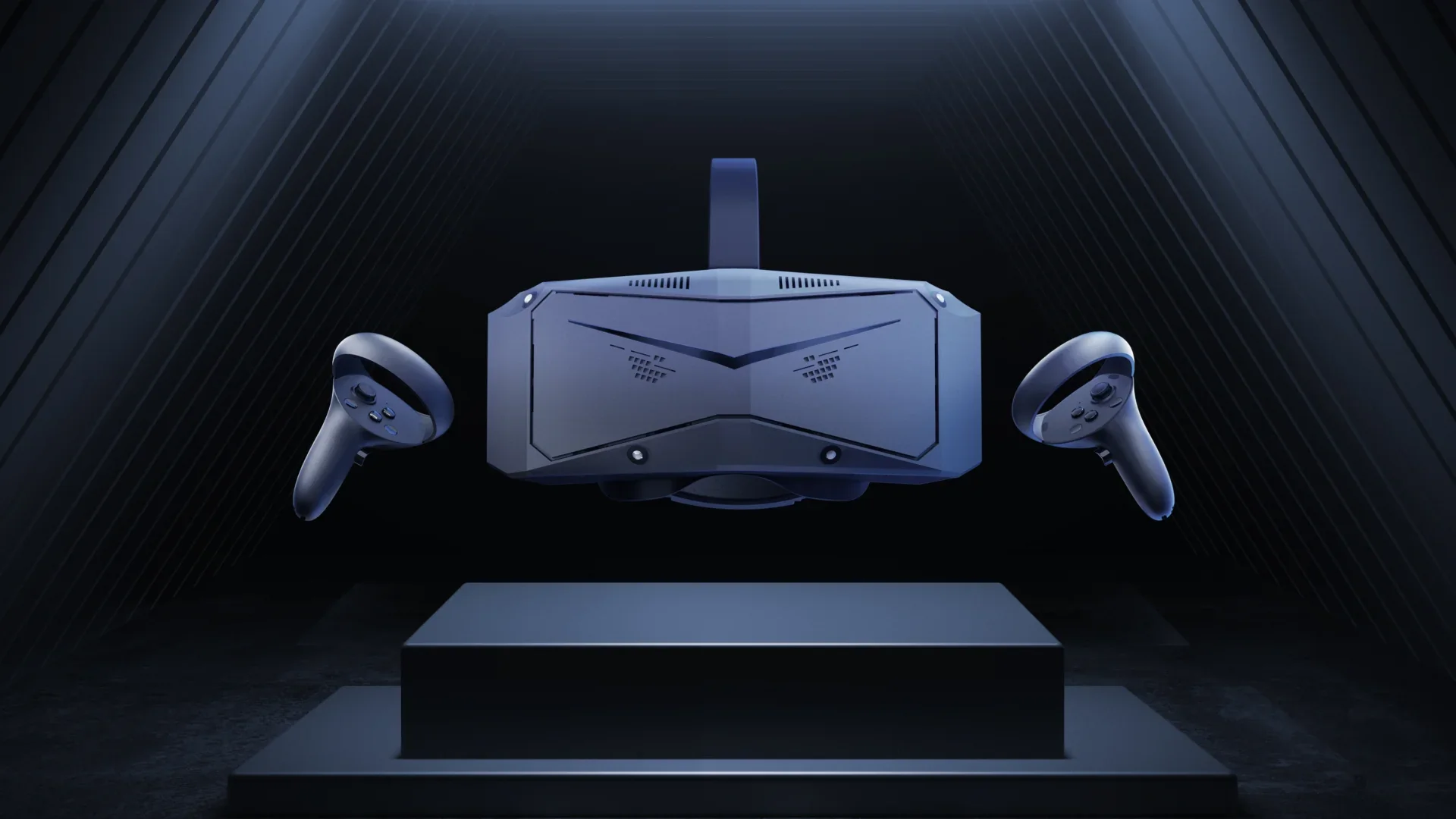
If you’re the type of gamer who obsesses over clarity, sharpness, and screen performance, the Pimax Crystal may be your perfect match. It is specifically designed for users who demand exceptional visual resolution and immersive field of view.
This headset features dual QLED panels with mini-LED backlighting, delivering an incredible 2880x2880 resolution per eye. It’s one of the sharpest consumer headsets available, with deep blacks, rich color contrast, and highly detailed textures that truly pop. For sim racers, flight enthusiasts, and open-world explorers, the difference is striking, you can read cockpit gauges, spot distant enemies, or admire distant landscapes in stunning detail.
The lens system is modular, allowing users to swap between lenses optimized for wider field of view or absolute clarity, giving you control over how your VR is experienced. It also supports inside-out tracking, so there’s no need for external base stations, and includes eye tracking for foveated rendering a powerful feature that prioritizes graphical rendering where your eyes are focused, saving performance for greater visual returns.
However, the Pimax Crystal is not a plug-and-play device. It requires a high-end PC to fully appreciate its power and comes with a learning curve. But if you’re willing to fine-tune your system and want a headset that prioritizes visual excellence above all else, the Crystal delivers a VR experience that feels close to real life.
HP Reverb G2
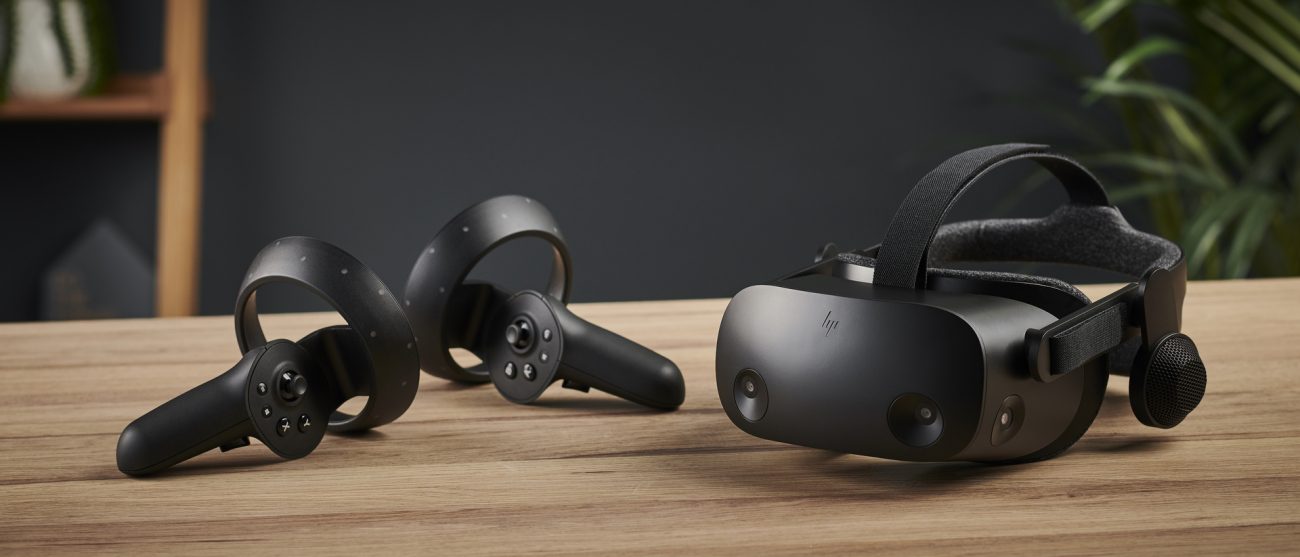
The HP Reverb G2 offers one of the highest pixel densities in its class, with 2160x2160 resolution per eye, a lightweight form factor, and surprisingly good spatial audio all at a mid-range price. It’s a headset that delivers beautiful visuals, straightforward setup, and lasting comfort, making it a fantastic choice for both newcomers and simulation fans.
The G2 is especially well-suited for seated gaming experiences, like flight simulators and driving games, where full-room tracking is less critical. Its inside-out tracking system means you don’t need to mount any base stations, and the headset is recognized quickly by Windows Mixed Reality and SteamVR with minimal configuration.
One of its standout features is the Valve-designed off-ear speakers, which provide immersive, directional audio without needing to wear anything on your ears. This adds a sense of openness while still offering rich, well-balanced sound.
While its motion controllers are less advanced than those found on premium headsets, they are perfectly adequate for slower-paced or non-combat titles. For gamers who value clean visuals, ergonomic comfort, and a more casual VR setup, the HP Reverb G2 remains one of the most appealing and accessible options.
Final Thoughts
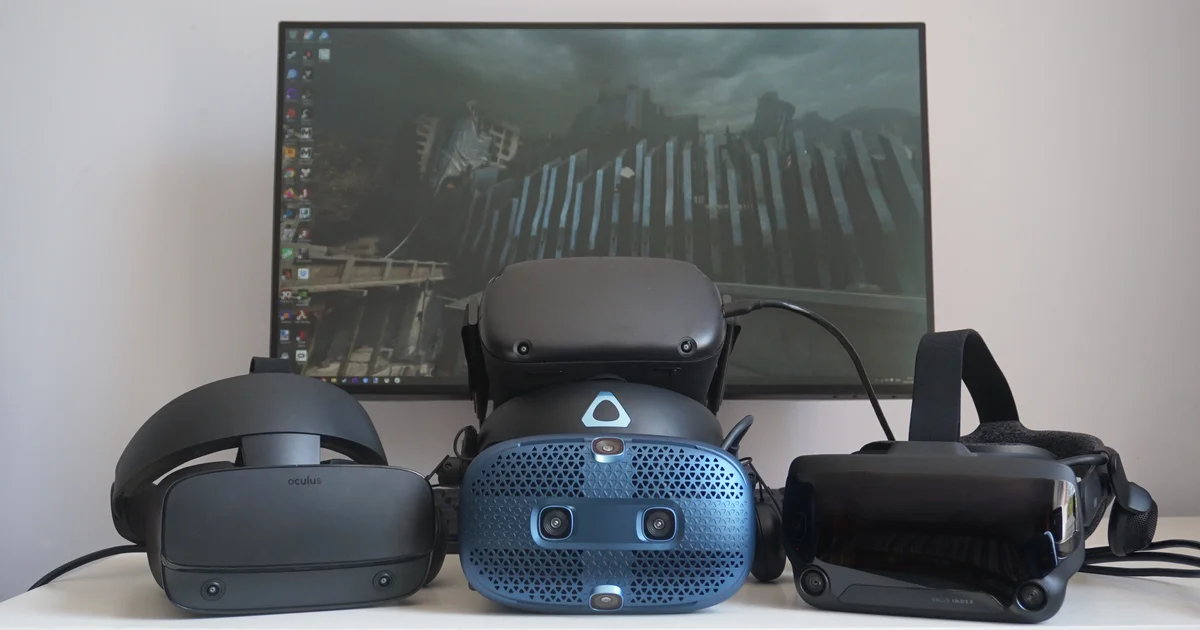
Each VR headset brings its own strengths to the table, and the best one for you depends on what matters most. The Valve Index is the go-to for those who want rich motion controls and premium tracking. The Meta Quest 3 is unmatched in flexibility, offering both PC-powered and standalone gameplay in one sleek package. Pimax Crystal caters to those who want the best visuals possible, while the HP Reverb G2 offers plug-and-play simplicity at a more accessible price.
No matter your genreis shooters, sims, horror, or VR social platforms, these headsets deliver the power, clarity, and comfort to take your PC gaming deeper than ever before.